Your cart is currently empty!
Author: wp_sys_3f64f6b7
-
Buy High Quality Human Growth Hormone Online
Buy High Quality Human Growth Hormone Online
Navigating HGH Dosage and Administration Protocols
Managing HGH requires a clear distinction between pharmaceutical Somatropin—the synthetic hormone used to treat medical deficiencies—and over-the-counter activators, which are supplements meant to nudge your natural production. Proper administration involves precise subcutaneous injections or specific oral protocols. Getting the dosage wrong can lead to significant metabolic and physiological side effects that are hard to undo.
Think of your hormones like a finely tuned orchestra. If one instrument plays too loud, the whole symphony falls apart. When we talk about Somatropin, we are discussing a highly regulated, lab-created peptide. It is the real deal, often used in clinical settings to treat growth disorders or muscle wasting.
On the flip side, you’ll see plenty of “activators” on the market. These are typically herbal blends or amino acid cocktails. They aren’t actually the hormone itself; rather, they try to encourage your pituitary gland to do more work. It is a subtle difference, but it makes a massive impact on your results.
I’ve seen people spend hundreds of dollars on supplements from poseidonrx.com or similar vendors thinking they are getting the same thing. They aren’t. One is a direct hormone replacement, while the other is just a biological nudge. Knowing which one you are holding is your first line of defense.
Clinical vs. Performance Dosing
In a doctor’s office, dosing is surgical. For a patient with a legitimate deficiency, a physician might prescribe a very specific, low-dose regimen. The goal here isn’t to look like a bodybuilder; it is to restore normal physiological function and prevent bone or organ issues caused by a lack of GH.
However, in the fitness world, the conversation shifts toward hypertrophy and fat loss. People often push the boundaries of what the body is meant to handle. They might aim for much higher daily increments to force muscle growth or rapid body recomposition. This is a high-stakes game of biological chicken.
What this means for you is that “more” is not always “better.” Taking extra milligrams might make you feel like a superhero for a week, but it can also wreak havoc on your insulin sensitivity. You have to weigh the aesthetic gains against the long-term metabolic costs of high-dose protocols.
If you are looking at pricing for these various approaches, the gap is wide. A bottle of a natural activator might cost $64.99, while medical-grade vials can run significantly higher depending on the source and purity. Always verify where your information—and your supply—is coming from.
The Art of the Injection
If you are using recombinant human growth hormone, you aren’t popping a pill. You are likely using subcutaneous injections. This means the needle goes into the fatty tissue just below the skin, not deep into the muscle. It is a delicate procedure that requires a steady hand and clean gear.
I often tell my peers to treat their injection site like a ritual. You need to rotate your sites—thigh, abdomen, or glute—to avoid lipohypertrophy. That is a fancy way of saying you don’t want to develop hard, painful lumps of fat under your skin from hitting the same spot every day.
The technical side involves using an insulin syringe or an auto-injector. You have to be incredibly careful about the “reconstitution” process. This is when you mix the freeze-dried powder with a liquid diluent. If you use the wrong liquid or too much of it, you’ve just wasted expensive medicine.
The antibody cocktail used in lab testing is a great reminder of how complex these proteins are. They are delicate structures. If you handle them roughly or store them at the wrong temperature, the protein can denature, leaving you with nothing but expensive water.
Understanding Dosage Increments
Every milligram counts. When you move from a 2mg daily dose to a 4mg dose, you aren’t just doubling your results; you are potentially doubling your side effects. The body responds to HGH in a non-linear way. Small jumps can lead to massive physiological shifts that catch you off guard.
Common side effects of pushing the dosage too high include edema—which is just a clinical term for swelling—and carpal tunnel symptoms. You might feel tingling in your hands or a strange tightness in your joints. It’s your body’s way of shouting, “Hey, slow down!”
The bottom line is that your blood sugar is on the line. HGH can make your body more resistant to insulin. This is a dangerous territory because it can lead to Type 2 diabetes if you aren’t monitoring your levels. You cannot fly blind when you are playing with your endocrine system.
I always suggest keeping a log. Track your sleep, your energy, and your blood glucose. If you notice your fasting blood sugar creeping up, that is a red flag. Don’t wait for a doctor to tell you something is wrong; listen to your body’s subtle signals before they become screams.
Protocol Type Primary Goal Common Delivery Clinical/Medical Hormone Replacement Subcutaneous Injection Fitness/Performance Hypertrophy/Fat Loss Injection or Oral OTC/Supplements Natural Stimulation Capsule/Liquid Market Pricing and Acquisition Costs for HGH
Acquisition costs vary wildly depending on whether you are seeking medical-grade somatropin, laboratory research kits, or over-the-counter supplements. Prices range from $64.99 for natural activators like HGH-X2 to massive bulk orders for somatropin, where costs fluctuate based on quantity, purity, and international shipping logistics or customs duties.
The Laboratory and Bulk Spectrum
If you are stepping into the world of high-end science, you will notice a massive price gap. For instance, a highly specialized antibody cocktail from Invitrogen is a precision tool designed for detecting hormones in human samples. These kits are not meant for consumption; they are expensive, highly purified reagents used in clinical research settings.
On the other end of the spectrum, you have bulk somatropin—the pharmaceutical name for recombinant human growth hormone. When dealing with large-scale laboratory research kits, the Minimum Order Quantity (MOQ) often starts at 100g or a single specialized kit. This scale is intended for industrial or heavy research applications rather than individual use.
What this means for you is that the price-per-milligram drops significantly as you scale up. Buying in large quantities might seem like a way to save a buck, but it carries immense risk. You are essentially betting that the supplier is honest about the concentration and that the product hasn’t been compromised during transit.
I have seen people try to chase the lowest price per gram, only to find they have purchased inert powder. If the price looks too good to be true, it almost certainly is. Real somatropin is a delicate biological product that requires strict cold-chain management, meaning it must stay refrigerated throughout its entire journey.
OTC Supplements and Natural Alternatives
For the casual user looking to nudge their levels upward without the heavy lifting of injections, over-the-counter (OTC) options are the most common entry point. These are not actual hormones, but rather “activators” or precursors designed to stimulate your body’s own natural production.
Take HGH-X2, for example. It is a popular choice in the supplement market, typically starting at approximately $64.99 per bottle. These products are designed for ease of use, usually coming in capsule or liquid form, and they don’t require the same intense storage protocols as pharmaceutical-grade peptides.
The bottom line is that you are paying for convenience and safety. You won’t see the dramatic physiological shifts associated with direct hormone administration, but you also aren’t dealing with the legal or medical complexities of prescription-strength substances. It is a much softer approach to hormone optimization.
Many people find success with these natural stacks, but don’t expect miracles. Think of these as a nudge to your endocrine system rather than a massive hammer. They are great for lifestyle optimization, but they won’t transform your physique the way a clinical dose might.
Use this table to get a general sense of how different market tiers compare in terms of cost and application.
Product Category Typical Entry Price Common Use Case OTC Activators (e.g. HGH-X2) $64.99 Natural Stimulation Bulk Somatropin (MOQ 100g) Variable (High Volume) Laboratory Research Specialized Lab Reagents High Premium Scientific Testing Logistics and Red Flags
Shipping is where many people get burned. When you move into international territory, the final USD total can skyrocket due to unforeseen customs duties or specialized handling fees. If a package is held at the border because it requires temperature-controlled shipping, you might find yourself paying a premium just to get your hands on it.
Always watch out for the “too good to be true” scenario. If a vendor is offering high-purity somatropin at a fraction of the market rate without any questions asked, walk away. This is a major red flag for counterfeit products that may contain nothing more than common salt or, worse, dangerous impurities.
I’ve seen countless people lose hundreds of dollars to “ghost” vendors who disappear once the payment clears. Always look for established reputations and, if possible, use payment methods that offer some level of buyer protection. In this market, being frugal can sometimes become the most expensive mistake you ever make.
The bottom line is to prioritize quality over the lowest price. Whether you are buying a $65 bottle of supplements or a large research kit, your priority should be the integrity of the substance. Your biology is far too complex to gamble on cheap, unverified shipments from unknown corners of the web.
Sourcing Methods and Delivery Logistics
Sourcing methods range from direct-to-consumer retail platforms like Amazon, which typically offer dietary supplements, to specialized laboratory supply chains providing high-purity recombinant proteins for research. Delivery logistics depend heavily on product type, with temperature-sensitive biologicals requiring strict cold-chain management, while standard supplements are shipped via traditional mail, often with options for cash on delivery or credit card processing.
When you are navigating this landscape, you’ll notice a massive divide in how products reach your doorstep. On one side, you have the consumer retail market, exemplified by platforms like Amazon.eg, where products are often “activators” rather than the hormone itself. These are easy to grab and arrive like any other household item.
On the other hand, you have the professional laboratory supply chain. This is a much more rigid world. If you are looking for actual somatropin—the pharmaceutical name for the hormone—you are dealing with specialized vendors that cater to scientific institutions. These aren’t just “shipping a package”; they are managing a delicate biological shipment.
What this means for you is a choice between convenience and purity. Retailers offer a “plug and play” experience with minimal legal friction. However, if your goal is high-level research, the laboratory route is the only way to ensure you aren’t just buying expensive, inert powder that has lost all potency during a long, hot transit.
Retail vs. Research Supply Chains
Direct-to-consumer (DTC) retail is the path of least resistance. You can find products listed on sites like Amazon.eg that promise rapid delivery and easy returns. These are almost exclusively dietary supplements designed to support natural hormone production rather than direct administration of the hormone itself.
The laboratory supply chain operates under a completely different set of rules. These vendors often require specific documentation to prove you are a legitimate research entity. You won’t find these items in a standard shopping cart. Instead, you’ll encounter Minimum Order Quantities (MOQ) that might require you to buy a whole kit or a large bulk amount.
I’ve seen hobbyists try to bridge this gap, but it’s a mistake. Trying to order high-grade research chemicals through a retail channel is a recipe for disappointment. You will likely end up with a product that is mislabeled or simply doesn’t contain the active biological agent you were expecting to receive.
The bottom line is knowing your intent. If you want a supplement to support your wellness routine, the retail market is your friend. If you are conducting controlled scientific studies, you must go through accredited laboratory channels to ensure the integrity of your experimental variables.
Payment and Shipping Complexities
The logistics of getting the product to you can be a headache. For consumer goods, standard credit card transactions are the norm, offering a layer of buyer protection. However, in the more specialized or international markets, you might encounter “Cash on Delivery” (COD) options. This is common in certain regions to build trust between the buyer and the seller.
However, don’t get too comfortable with COD. While it feels safer, it often means you are paying for a package before you have had a chance to verify its contents or temperature status. If a shipment of recombinant protein sits on a porch in the sun for six hours, that COD payment just became a very expensive mistake.
Then there is the issue of the “Cold Chain.” Recombinant proteins are incredibly sensitive to heat. They require specialized packaging, such as insulated styrofoam containers and gel packs, to maintain a consistent refrigerated temperature. If the logistics chain breaks, the protein denatures, meaning it unfolds and becomes biologically useless.
When you see shipping timelines, remember that domestic orders might arrive in 3-5 days, whereas international research shipments can take weeks. This delay increases the risk of temperature excursions. Always check if the vendor uses real-time temperature monitoring during transit; it is the hallmark of a professional operation.
Documentation and Compliance
The paperwork required depends entirely on what is inside the box. For personal use of supplements, you generally need nothing more than a standard receipt. The regulatory burden is minimal because these are categorized as food products rather than controlled substances or pharmaceutical reagents.
If you move into the realm of laboratory-grade somatropin, the documentation becomes a beast. You may be required to provide an End-User Certificate (EUC), which is a document that certifies the buyer’s identity and the intended use of the substance. This prevents the diversion of high-purity chemicals into unregulated markets.
Using a research chemical for personal use when it is labeled for “laboratory use only” is a legal gray area that many people navigate poorly. I always tell people to be incredibly careful here. The documentation isn’t just red tape; it is a legal shield for the manufacturer and a way to track high-potency substances.
What this means for you is that you must be prepared for scrutiny. If a vendor asks for your credentials, don’t take it personally—it’s actually a good sign. It means they are actually following the protocols required to move biological materials across borders and through customs without getting seized.
Shipping Type Typical Timeline Risk Factor Domestic (Standard) 3-7 Days Low Domestic (Cold-Chain) 1-3 Days Moderate (Handling) International (Standard) 14-30+ Days High (Customs) International (Cold-Chain) 5-10 Days Very High (Stability) Comparing Natural Activators vs. Synthetic Somatropin
Synthetic somatropin provides immediate, direct replacement of the hormone to correct clinical deficiencies, whereas natural activators rely on amino acids and precursors to stimulate your body’s own production. While synthetic options offer rapid, predictable physiological changes, natural supplements work through a gradual buildup, focusing on long-term hormonal support rather than instant hormone replacement.
The Speed of Change
If you are looking for a sledgehammer effect, synthetic somatropin—a laboratory-made version of the hormone—is the heavy hitter. It enters your system directly, bypasses the complex signaling dance of the pituitary gland, and delivers an immediate spike in circulating levels. It is a blunt instrument designed for precision and speed.
On the other hand, natural activators, often sold as Over-the-Counter (OTC) supplements, act more like a gentle nudge. These products typically contain amino acids like L-arginine or L-glutamine, which are the building blocks your body uses to manufacture its own growth hormone. You won’t see a transformation overnight with these.
What this means for you is a choice between intensity and subtlety. Synthetic routes can cause rapid shifts in insulin sensitivity and water retention. Natural methods require patience, as they aim to optimize your existing endocrine pathways rather than overriding them entirely. It is the difference between adding fuel to a fire and clearing the brush to let it burn brighter.
I often see people get frustrated when their $64.99 bottle of supplements doesn’t yield the same results as a clinical injection. They expect a rocket ship but they’ve actually purchased a compass. The growth hormone levels produced naturally are much more regulated by your body’s internal feedback loops.
Sustainability and Safety Profiles
When we talk about long-term sustainability, we are looking at how your body reacts to these changes over years, not weeks. Synthetic somatropin is a powerful tool, but it carries a heavy price tag in terms of metabolic management. Because it is exogenous—meaning it comes from outside the body—your own production may decide to take a permanent nap.
This “downregulation” is the big fear. When you flood the system with external hormones, the pituitary gland often stops trying to do its job. This can lead to a dependency where you need the synthetic version just to maintain baseline health. It’s a high-stakes game that requires constant medical supervision to avoid serious side effects.
Natural activators are much more “low and slow.” Because you are providing the raw materials—the amino acids and precursors—rather than the finished hormone, your body remains the primary manufacturer. This keeps the feedback loop intact. You aren’t forcing the system; you are simply giving it the best possible ingredients to work with.
The bottom line is that while natural supplements are safer for the average person, they are not a magic pill. They won’t fix a profound medical deficiency, but they are much more sustainable for someone looking to support healthy aging without the metabolic rollercoaster of synthetic replacement.
The Marketing Mirage
You will see a lot of bold claims out there, especially on sites like Amazon, claiming that certain products are an “Age-Reversing Miracle.” I’d tell you to take a long, hard look at those labels with a healthy dose of skepticism. Biology is incredibly stubborn and rarely responds to a single “miracle” ingredient.
Marketing often conflates “supporting healthy levels” with “reversing age.” It is a clever bit of wordplay designed to sell bottles. While optimizing your hormone production can certainly help with vitality, energy, and muscle recovery, it won’t turn back the clock to your teenage years. Anyone promising a fountain of youth in a bottle is selling smoke.
The reality is that true hormonal health is a mosaic. It involves sleep, nutrition, and stress management. Supplements are just the garnish on top of a very complex plate. If a product claims to be a shortcut that bypasses all the hard work of lifestyle changes, it’s likely a marketing miracle rather than a biological one.
The following table compares the two approaches to help you visualize the fundamental differences in their mechanisms and impact:
Feature Natural Activators Synthetic Somatropin Mechanism Stimulates endogenous production Direct hormone replacement Onset of Action Gradual (weeks/months) Rapid (days) Risk of Dependency Very Low Possible (Downregulation) Primary Goal Optimization & Support Clinical Deficiency Correction Quality Verification and Lab Testing Standards
Ensuring high-quality standards requires verifying NABL accreditation, which guarantees laboratory proficiency through rigorous testing. To confirm purity, researchers use antibody cocktails to detect specific hormone markers in samples. Always inspect vials for valid batch numbers and expiration dates, and prioritize purified recombinant human growth hormone to ensure the highest research accuracy and safety.
Think of laboratory accreditation as a professional license for the scientific world. NABL, or the National Accreditation Board for Testing and Calibration Laboratories, is a standard that proves a facility actually knows what it is doing. Without this, you are essentially taking a scientist’s word for it, which is a dangerous gamble in high-stakes research.
When you’re looking at a lab report, don’t just glance at the “Pass” stamp. You want to see that they adhere to strict international protocols. If a vendor cannot provide proof of accreditation, you are likely looking at a “black market” operation that cuts corners on safety and purity to save a few bucks.
The bottom line is that accreditation is your first line of defense. It moves the conversation from “trust me” to “here is the data.” In a field where even a tiny impurity can ruin an entire experiment or compromise health, this certification is non-negotiable for anyone serious about their work.
Verifying Purity with Antibody Cocktails
How do we actually know if a sample contains what it says on the label? This is where the heavy lifting of molecular biology comes in. Scientists use something called an antibody cocktail to perform a “biological fingerprinting” of the sample. It is a highly specialized tool used to identify specific proteins.
An antibody cocktail consists of a mixture of antibodies designed to bind to specific targets within a sample. For instance, a growth hormone antibody cocktail can specifically target the unique structure of the hormone. If the hormone is present, the antibodies latch onto it, creating a detectable signal.
This process is vital because it distinguishes the actual hormone from “junk” or filler proteins. If you run a sample and the antibody cocktail doesn’t react, you’re holding expensive water. This testing ensures that the molecular structure matches the intended biological function, which is the gold standard for any legitimate research material.
What this means for you is that you should never settle for a simple certificate of analysis (CoA) that looks like a typed-up note. A real CoA should detail the specific methods used, such as ELISA or Western Blotting, to verify the presence and concentration of the target protein through these antibody reactions.
The Gold Standard: Purified Recombinant Human Growth Hormone
In the world of high-end research, you will frequently encounter the term “purified recombinant human growth hormone.” This sounds like a mouthful, but it is actually the pinnacle of modern biotechnology. “Recombinant” means the hormone was created by inserting human DNA into a host cell, like bacteria or yeast.
The “purified” part is where the real value lies. During the manufacturing process, the host cells produce a soup of various proteins. Purification is the meticulous process of stripping away everything except the exact human growth hormone molecule. This results in a substance that is nearly identical to what your own pituitary gland produces.
Using high-quality recombinant versions is critical for consistent data. If you are conducting a study and your hormone concentration fluctuates because of impurities, your results are essentially useless. Researchers pay a premium for this level of precision because it removes the variable of contamination from their equations.
If you are looking at a vial that costs $500 or more, you are likely paying for this intense purification process. It is a significant investment, but it is the only way to ensure that the biological response you observe is actually caused by the hormone and not by a secondary chemical contaminant.
Logistics and Vendor Due Diligence
Never ignore the small details on the physical packaging. It sounds trivial, but checking the batch number and the expiration date is a vital step in your quality control. A vial that has sat on a warehouse shelf for too long might have lost its potency, rendering your entire research project a waste of time.
Batch numbers are your lifeline if something goes wrong. If a specific lot of a product is found to be contaminated, the batch number allows you to trace exactly where it came from and prevent further use. If a vendor refuses to provide batch-specific documentation, consider that a massive red flag for their entire operation.
Before you authorize a large transaction, such as a $5,000 order for bulk research supplies, you need a rigorous checklist. You shouldn’t just take a slick website at face value. Many high-end vendors operate with extreme transparency, while others hide behind generic contact forms and “WhatsApp only” customer service.
Use this checklist to vet any potential supplier before you send a single $ sign their way:
- Does the vendor provide a verifiable, third-party Certificate of Analysis (CoA) for every single batch?
- Is the laboratory NABL or ISO certified, and can you verify this on the official accreditation body’s website?
- Do they offer clear, detailed shipping protocols for temperature-sensitive materials?
- Is there a clear, professional physical address and a legitimate corporate identity associated with the business?
- Can they provide technical support from someone who actually understands the molecular biology of the product?
-
Buy HCG 10000 IU Vials at the Best Competitive Prices
Buy HCG 10000 IU Vials at the Best Competitive Prices
Navigating the Marketplace for 10000 IU HCG Vials
Finding the right price for 10000 IU HCG requires a bit of homework. You’ll want to compare retail rates, which often start around $262.85 per vial, against specialized compounding options. It really comes down to whether you prioritize the immediate convenience of a standard pharmacy or the long-term cost savings of bulk purchasing and subscription models.
Think of the marketplace like a complex map. You might see a low price tag on a shelf, but if you don’t look at the fine print, you’ll find yourself paying a premium later. I have seen many people get tripped up by the initial sticker price without checking the actual unit cost.
When you are hunting for the best deal, keep a close eye on how the manufacturer packages the medication. A single vial might look affordable, but the actual value depends entirely on how many doses you can extract from that specific concentration. Don’t let a shiny label blind you.
It is vital to understand that “retail” is a broad term. You might find options through a standard pharmacy or through specialized vendors like poseidonrx.com when you are comparing different supply chains. Each path has its own set of rules, price points, and delivery speeds that will affect your bottom line.
Comparing Brand Names and Compounding Costs
When you look at the big names, the price gap can feel like a canyon. For instance, Pregnyl (MDV) is a well-known brand-name option often used to trigger ovulation or treat low sperm counts. Because it carries the weight of established pharmaceutical manufacturing, you’ll often pay a premium for that specific brand recognition.
On the other side of the coin, you have ZyhCG, which is another common brand used for treating hypogonadism or infertility. Interestingly, the cost-per-unit for ZyhCG can sometimes appear much lower because it is often marketed through different distribution channels. You might see prices listed as low as $1.03 per tablet in certain contexts.
What this means for you is that you cannot simply compare two total prices and call it a day. You must perform the math yourself. Always divide the total price by the total number of units to find the true value. It is the only way to avoid getting the short end of the stick.
The difference between these two is stark. While Pregnyl offers a sense of brand reliability, ZyhCG might offer a more aggressive price point for those watching their budget closely. You have to decide if the brand name carries enough weight to justify the extra cash out of your pocket.
Option Type Example Product Estimated Cost Dynamics Brand Name Pregnyl (MDV) Higher premium per vial Generic/Alternative ZyhCG Lower cost-per-unit options Retail/Market Rate Standard 10ml Vial Starting from $262.85 Pharmacy Models and Bulk Savings
You will notice a massive price gap between specialized pharmacy compounding and general retail. A compounding pharmacy creates custom doses specifically for your needs, which is a premium service. General retail pharmacies often stick to standardized, pre-made vials that might not match your exact prescription requirements perfectly.
If you are on a long-term cycle, you should definitely look into bulk purchasing. Buying in large quantities or signing up for a subscription model can slash your costs significantly. Most suppliers want your loyalty, so they offer these “auto-ship” discounts to keep you coming back month after month.
I’ve seen people save hundreds of dollars just by switching from one-time purchases to a recurring delivery schedule. It is a simple move, but it makes a huge difference when you are managing a strict medical budget. It turns a heavy monthly expense into something much more manageable.
If you want to check current market trends, you can look at current pharmacy coupons to see how much you can save on your next refill. It is a smart way to ensure you aren’t overpaying for the same medication elsewhere.
The bottom line is that your strategy should depend on your specific medical protocol. If you need a specific dose every week, a subscription for a bulk shipment is your best friend. If you only need a one-off dose, stick to the retail vials to avoid wasting money on excess inventory.
Prescription Requirements and Legal Procurement
Acquiring HCG 10000 IU requires a valid prescription from a licensed healthcare provider because it is a potent hormone. Commercial products intended for human use must be obtained through legitimate pharmacies under medical supervision. Attempting to bypass these legal channels can lead to receiving counterfeit, unsafe, or ineffective substances that pose significant health risks.
When you step into the world of hormone replacement or fertility treatments, you are stepping into a highly regulated landscape. You cannot simply pick these up like vitamins at a grocery store. Because high-dosage 10000 IU protocols directly impact your endocrine system, medical oversight is your primary safety net.
The bottom line is that your doctor acts as the gatekeeper for your safety. They ensure the dosage aligns with your specific physiological needs and monitor how your body reacts to the intense hormonal shifts. Skipping this step is like driving a high-performance race car without a professional instructor; you might move fast, but the crashes are much harder.
What this means for you is a need for patience. You will need to schedule a consultation, undergo necessary blood work, and secure a formal prescription before any reputable pharmacy will even talk to you about shipping. This process ensures that what you inject is exactly what is stated on the label.
Navigating the Legal Landscape and Product Types
You might encounter a confusing gray area when browsing online, specifically regarding “livestock-grade” options like Chorulon HCG. Chorulon is a brand name often marketed for veterinary use, meaning it is intended for animals rather than humans. While the active ingredient might seem identical, the manufacturing standards and purity levels for human consumption are not guaranteed.
Navigating the prescription requirement for these items can be a minefield. Even though they are labeled for animals, many vendors still require a prescription to comply with strict shipping regulations. Trying to source these through “no prescription” channels is a dangerous game that often leads to empty boxes or contaminated vials.
It is also crucial to distinguish between over-the-counter (OTC) supplements and prescription-only medications. You will see many “HCG supplements” marketed as dietary aids. These are often just blends of amino acids or other ingredients that contain little to no actual human chorionic gonadotropin. They are legal because they aren’t drugs, but they won’t provide the clinical results you seek.
Real HCG is a hormone that mimics a natural substance produced during pregnancy. Because it triggers powerful biological responses, the law treats it as a controlled substance in many jurisdictions. If you want actual clinical efficacy, you have to play by the rules and stick to human-grade, prescription-verified medications.
I’ve seen many people waste hundreds of dollars on “miracle” supplements that are essentially expensive placebos. Don’t let the marketing fool you. If a product claims to be HCG but doesn’t require a doctor’s visit, you are likely buying nothing more than expensive vitamins.
Here is a quick breakdown of how different procurement paths typically look in terms of cost and requirements:
Product Category Typical Requirement Estimated Price Point Human-Grade HCG Doctor’s Prescription $262.85+ Veterinary HCG (Chorulon) Prescription Needed $62.99 HCG Supplements None (OTC) Variable Verifying Pharmacy Legitimacy and Safety
When you start shopping online, you will encounter a sea of websites claiming to offer the lowest prices. This is where you must be extremely vigilant. A legitimate pharmacy will always ask for a prescription and will often have a physical address and a verifiable pharmacist on staff. If a site looks like it was designed in 1998 and accepts only Bitcoin, run the other way.
Verifying pharmacy credentials is your best defense against fraud. You should look for signs of accreditation and check if they are licensed in your state or region. A reputable vendor won’t shy away from asking for your medical history; in fact, if they don’t ask for a prescription, they are almost certainly illegitimate.
I always tell my peers to treat online shopping like a high-stakes investigation. Look for real customer reviews, not just the ones on the vendor’s own website. Check third-party forums to see if people actually received their orders and if the packaging arrived intact and uncompromised.
What this means for you is that “cheap” can become very expensive very quickly. A $50 vial from an unverified source that contains nothing but saline is a much worse deal than a $270 vial from a trusted source that actually contains the medication. Always prioritize legitimacy over the initial price tag.
If you want to compare how prices fluctuate, you can check current pharmacy coupons to see the standard market rates. This helps you determine if a vendor is offering a genuine deal or if their prices are so low that they should be a red flag.
Clinical Applications and Therapeutic Use Cases
HCG 10000 IU is a potent hormonal intervention used primarily to induce ovulation in women struggling with infertility and to treat male hypogonadism by boosting testosterone and sperm production. It functions by mimicking the luteinizing hormone (LH) to trigger critical biological processes within the reproductive system, making it a cornerstone in fertility medicine.
When we talk about female fertility, HCG acts like a biological starter pistol. In many cases, a person’s natural hormones might not signal the ovaries to release an egg at the right time. By introducing this high-dose hormone, doctors can precisely time the ovulation process to maximize the chances of conception.
The physiological mechanism is quite fascinating. The hormone travels through the bloodstream to the ovaries, where it mimics the natural luteinizing hormone. This sudden surge sends a clear command to the follicle—the fluid-filled sac containing the egg—to rupture and release its contents, effectively completing the maturation cycle.
It is not just about the “release” part, though. This surge also helps in the formation of the corpus luteum, a temporary endocrine structure. The corpus luteum produces progesterone, which is absolutely vital for creating a receptive environment in the uterus for a fertilized egg to implant successfully.
In the male body, the application shifts toward addressing hypogonadism, a condition where the testes do not produce sufficient testosterone. When levels are low, it can lead to issues with libido, energy, and, most importantly, sperm count optimization. High-dose HCG essentially “tricks” the brain into signaling the testes to get back to work.
By stimulating the Leydig cells in the testes, HCG encourages the natural production of testosterone. This isn’t just about muscle or mood; it is about the delicate balance required for spermatogenesis, which is the complex process of developing healthy, mobile sperm. For many men, this is a key piece of the fertility puzzle.
Comparing Delivery and Dosage Protocols
When you look at a 10000 IU vial, you are dealing with a very concentrated amount of medication. In a clinical setting, this high-dose unit is rarely given as a single, massive injection. Instead, it is typically diluted and split into smaller, more manageable doses that align with specific therapeutic goals.
The delivery method matters immensely for efficacy and comfort. Most clinical applications use subcutaneous injections, which go into the fatty tissue just under the skin. This provides a slower, more steady absorption compared to intramuscular injections. For high-dose units, precision in measuring the diluted liquid is the name of the game.
It is vital to understand that a 10000 IU dose is vastly different from standard maintenance protocols. A maintenance dose might involve small amounts of HCG taken weekly to keep hormone levels steady. In contrast, a 10000 IU dose is often used for “triggering” or intensive corrective cycles where a massive biological signal is required.
What this means for you is that you cannot simply treat a high-dose vial like a daily vitamin. The intensity of the signal sent to your endocrine system is significant. Using these high concentrations requires strict adherence to a doctor’s schedule to avoid causing the body’s natural feedback loops to shut down prematurely.
The bottom line is that the way you administer and dose this hormone determines whether you achieve the desired clinical outcome or simply cause hormonal chaos. Always follow the specific titration—the gradual adjustment of dose—prescribed by your healthcare provider.
Application Type Primary Goal Typical Mechanism Ovulation Induction Triggering Egg Release Mimics LH surge to rupture follicle Hypogonadism Treatment Boosting Testosterone Stimulates Leydig cells in testes Sperm Optimization Improving Count/Motility Enhances spermatogenesis via hormonal signaling Shipping Logistics and Storage Protocols
Efficiently managing 10000 IU HCG requires strict adherence to temperature-controlled shipping and rapid delivery timelines. Most providers ensure arrival within 1 to 3 business days to maintain biological potency. Proper storage in a cool, dark environment and using specialized packaging are essential to prevent vial breakage or protein degradation during transit.
Arrival Timelines and Shipping Thresholds
Timing is everything when you are managing a medical cycle. You don’t want to be staring at an empty cabinet when your next dose is due. Most reputable suppliers aim for a quick turnaround, typically delivering your order within 1 to 3 business days after the processing period ends.
What this means for you is that you should plan your orders slightly ahead of your actual need. If you wait until the last vial is empty, you might hit a gap in your treatment. I always suggest having a “buffer” stash ready to avoid any stressful delays in your regimen.
Cost-conscious users should keep an eye on shipping promotions to save a bit of extra cash. For instance, some providers offer free shipping if you hit a certain spending limit, such as the $49 minimum seen with Chorulon HCG products. It is a small way to make your budget stretch a little further.
The bottom line is that understanding these logistics helps you maintain a steady, uninterrupted supply. Whether you are managing personal health or veterinary needs, knowing when your package will land on your doorstep removes a massive layer of uncertainty from your daily routine.
Temperature Control and Packaging Integrity
HCG is a delicate protein-based hormone, meaning it can be quite finicky if things get too warm. Think of it like a piece of fresh produce; if it sits in a hot delivery truck for too long, the potency might drop. You want that vial to arrive as strong as the day it was bottled.
To prevent this, many shippers use temperature-sensitive protocols. This often involves insulated liners or specialized cooling packs that keep the temperature stable during the journey. If you receive a package that feels warm to the touch, you should investigate the integrity of the contents immediately.
Then there is the physical reality of glass vials. These small containers are incredibly fragile and can shatter if tossed around in a sorting facility. High-quality suppliers use heavy-duty, shock-absorbent packaging to wrap the vials tightly, ensuring they arrive intact and ready for use without any messy cleanup.
I have seen people cut corners on packaging, and it is a disaster waiting to happen. Always check your shipment for any signs of leakage or cracked glass. If the seal is compromised or the liquid looks cloudy when it should be clear, do not use it.
Inventory Management and AutoShip Services
The biggest headache in any long-term hormone protocol is the “oops, I ran out” moment. It is easy to lose track of how many vials you have left in the cabinet. This is where modern subscription models come into play to save your sanity.
Many pharmacies now offer AutoShip services, which are essentially automated recurring deliveries. You set the frequency, and they send the product before you even realize you are running low. It takes the mental load off your shoulders and keeps your hormone levels consistent.
Using an automated service can also be quite a bit cheaper. Many companies offer a discount for choosing a subscription over a one-time purchase. It is a win-win: you save money, and you gain the peace of mind that your supply chain is handled automatically.
What this means for you is a much smoother lifestyle. You won’t have to play “pharmacy roulette” every month. Instead, you can focus on your health goals while the logistics happen quietly in the background on a predictable, reliable schedule.
Comparing Brand Options and Formulations
Selecting the right brand depends entirely on your specific application, whether it is for veterinary livestock management, fertility support, or hormonal replacement. Options range from livestock-specific formulations like Chorulon to specialized human-grade injections like Pregnyl. Understanding the difference between liquid vials, tablets, and intended use cases ensures you match the right potency and delivery method to your goals.
Navigating Brand Specifics and Intended Uses
When you see a product labeled for livestock, such as Chorulon HCG 10000 IU 10mL, you are looking at a formulation specifically designed for veterinary applications. These are often sold at a lower price point, such as $62.99, because they are intended for animal husbandry rather than human medical use. It is a distinction that matters deeply for safety and compliance.
On the other hand, ZyhCG is frequently discussed in the context of specialized infertility treatments. This brand is often marketed for addressing issues like female infertility or male hypogonadism, which is a condition where the body doesn’t produce enough testosterone. While it offers a more targeted approach for human health concerns, it requires strict medical supervision.
Then we have Pregnyl (MDV), a well-known name in ovulation-focused formulations. This specific type of HCG works by signaling the body to release an egg, which can significantly increase the chances of a successful pregnancy. It is a powerhouse for those navigating the complexities of reproductive health and timing.
The bottom line is that you must never assume one brand is a direct substitute for another. Using a livestock version for human health is a dangerous gamble that skips the rigorous human-grade testing protocols. Always verify that the product’s intended use aligns with your personal or professional requirements before you make a purchase.
Evaluating Delivery Methods: Liquids vs. Tablets
The delivery method changes how your body absorbs the hormone, which is a critical detail. Liquid injections are the gold standard for rapid, direct absorption into the bloodstream or muscle tissue. This makes them highly effective for immediate hormonal shifts, but they do require more care during storage to prevent the protein from degrading.
Tablets, however, offer a much more convenient lifestyle. They are easy to carry, require no needles, and are often significantly cheaper, sometimes starting as low as $1.03 per tablet. While they are less invasive, the absorption rate might be slower or less predictable compared to a direct injection, which can be a downside for time-sensitive treatments.
What this means for you is a trade-off between convenience and precision. If you are managing a precise ovulation window, a liquid injection might be the better tool for the job. If you are looking for long-term, maintenance-style supplementation, the ease of tablets might win out in your daily routine.
I have seen many people struggle with the “needle anxiety” of injections, which makes tablets very appealing. However, don’t let convenience override the medical necessity of a specific delivery method. If your doctor has prescribed a specific method for a reason, stick to it to ensure your hormone levels remain steady.
Deciphering Labels and Concentrations
Reading a label might feel like trying to decipher a foreign language, but getting it right is non-negotiable. You need to look for the “IU” designation, which stands for International Units. This measures the biological activity of the hormone rather than just its weight in milligrams.
The most common mistake is confusing the total amount in the vial with the concentration in each milliliter. If a vial contains 10,000 IU in 10mL, that means you have 1,000 IU per mL. If you miscalculate this, you could accidentally double or halve your intended dose, which can wreak havoc on your system.
To keep things simple, I recommend creating a small cheat sheet for yourself. Note down the total IU, the total volume, and the math for your specific dose. This takes the guesswork out of the process and prevents those frantic, late-night math sessions when you are trying to dose your medication.
Accuracy is your best friend when dealing with potent hormones. If a label is smudged, unclear, or seems to contradict itself, put the vial down and call your provider. It is always better to be cautious than to make a mistake that affects your hormonal balance.
Product Type Primary Use Common Delivery Livestock Grade Animal Husbandry Liquid Injection Fertility Grade Human Infertility Liquid or Tablet Ovulation Grade Pregnancy Support Liquid Injection -
Buy HCG 5000 IU Vials at Wholesale Prices Online
Buy HCG 5000 IU Vials at Wholesale Prices Online
HCG 5000 IU Market and Pricing Trends
Market prices for HCG 5000 IU, a compound used in endocrine studies, usually run from $87.99 for single units down to much lower rates when you buy in bulk. While grabbing a single vial is easy if you need something right away, smart researchers find much better value through wholesale tiers that drive down the cost per unit.
Think of this market like buying coffee. You can grab a single cup at a cafe for a premium, or buy a massive bag of beans to save a fortune over time. The same logic applies to high-purity research peptides. If you are just setting up your lab, a single vial might suffice, but long-term projects demand a sharper strategy.
When you look at individual pricing, you will often see a single vial sitting around the $87.99 mark. This is a standard entry point for those who need supplies immediately without committing to a massive inventory. It is a safe way to test a vendor’s shipping speed and product quality before you dive in deep.
However, do not let that single-unit price trick you into thinking it is the only way to go. If you are running continuous endocrine studies, that $87.99 price point can drain your budget fast. You have to look at the bigger picture to ensure your research remains sustainable and cost-effective over several months.
Comparing Retail vs. Bulk Wholesale Models
The gap between retail and wholesale is where the real math happens. Retailers focus on convenience, providing small quantities for a higher markup. This works for short-term testing, but it becomes a money pit for anyone conducting longitudinal studies. You end up paying for the luxury of small-scale convenience.
On the other hand, wholesale options are the bulk buys of the peptide world. By ordering multiple vials at once, you bypass those heavy retail margins. It is a classic trade-off: you spend more upfront, but your cost per vial drops significantly. It is essentially like buying in crates rather than individual boxes.
Let’s look at how the numbers actually shake out in a typical laboratory setting. I have seen researchers waste hundreds of dollars by sticking to retail orders when they could have slashed their expenses by half just by switching to a bulk model. It is all about managing your overhead effectively.
Purchase Type Average Price Point Best For Single Vial (Retail) $87.99 Initial testing/Small samples Bulk/Wholesale Variable (Lower per unit) Long-term research projects Maximizing Your Research Budget
If you want to get the most bang for your buck, hunt for vendors that offer transparency. Reliable sources like SwissChems provide detailed specifications that help you verify what you are actually buying. You do not want to pay $87.99 for a product that hasn’t been properly verified.
I often tell my peers to look for third-party COA (Certificate of Analysis) verification. This document proves the purity and potency of the compound. If a vendor won’t show you their lab results, walk away. High purity, often 99% or higher, is non-negotiable for high-quality research data.
You might also see mentions of poseidonrx.com while browsing different supplier lists online. Comparing various vendors is essential to see who offers the best balance of shipping speed and price. Always check if a vendor offers free shipping or tiered discounts, as these small perks add up quickly over time.
The bottom line is that you have to weigh the unit price against the total cost. A vial that costs $70 might seem like a steal, but if the purity is low, you will end up needing to use more of it to reach your required concentration. That effectively raises your real cost per dose. Always prioritize quality and potency over the lowest sticker price.
Verifying Purity and Lab Testing Standards
To ensure scientific integrity, you must prioritize HCG 5000 IU with at least 99% purity. This high standard minimizes the presence of residual solvents or manufacturing byproducts. Always demand a third-party Certificate of Analysis (COA) to confirm that the peptide matches its labeled potency, which is vital for consistent reproductive-endocrinology research results.
Think of purity like the foundation of a house. If the concrete is cracked or mixed with sand, the whole structure is compromised. In the world of peptides, even a tiny fraction of impurity can throw off your entire data set. You are not just buying a vial; you are buying the certainty of your results.
When you aim for 99% purity, you are essentially stripping away the noise that ruins experiments. Low-grade alternatives often contain stabilizers or contaminants that can trigger unexpected reactions in a biological model. For a researcher, these outliers are more than just annoying; they are a total loss of time and money.
The reality is that “good enough” does not exist in high-level lab work. If a vendor claims their product is high-grade but refuses to show you the raw data, they are selling you a mystery, not a reagent. Stick to the gold standard of 99% to keep your studies on track.
Decoding the Certificate of Analysis
A Certificate of Analysis, or COA, is your best friend when navigating the peptide market. This document is a formal report from an independent laboratory that verifies the specific properties of a batch. It acts as a birth certificate for your sample, proving exactly what is inside that glass vial.
When you hold a COA, look specifically for the “Assay” percentage. This tells you the actual concentration of the active peptide compared to what is claimed on the label. If you are looking for 5000 IU, you want to see that the assay is incredibly close to that target, ideally within a very tight margin.
I always tell my colleagues to keep an eye out for “Residual Solvents” and “Heavy Metals” sections. These are the hidden culprits that can sabotage a study. A clean COA will show these levels are non-detectable or well below the strict safety thresholds established by industry standards.
Don’t let the technical jargon intimidate you. If the document looks like a chaotic mess of numbers without a clear breakdown of purity, it might not be a legitimate third-party test. A professional COA is organized, dated, and clearly identifies the batch number to ensure full traceability for your records.
The Critical Role of Lab Testing in Endocrinology
Reproductive-endocrinology studies are notoriously sensitive to even the slightest variations in hormonal signaling. Because HCG mimics certain natural hormones, its potency must be pinpointed with extreme precision. If your HCG 5000 IU is actually only 85% potent, your entire endocrine model will be skewed from day one.
Accurate research requires consistency across multiple batches. If you run an experiment in January and repeat it in March, you need to know the substance is identical. This is why lab-tested HCG is the backbone of longitudinal studies; it removes the variable of product drift from your scientific equations.
I once saw a study fail to replicate because the researcher used a different batch of peptides that had not been properly verified. They thought they had discovered a new biological response, but they had actually just changed their dosage by accident. It was a heartbreaking waste of resources.
What this means for you is that you cannot cut corners here. Investing in verified, lab-tested materials is the only way to ensure your findings are publishable and reproducible. You are building a body of work, and that work is only as strong as the chemicals you use to build it.
Consider these common market pricing tiers for research-grade materials:
Product Tier Purity Level Price Range Premium Research Grade 99%+ $87.99+ Standard Laboratory Grade 95% – 98% $60.00 – $75.00 Bulk Wholesale Grade 99%+ Variable (Bulk Discount) Premium Peptides vs. Low-Grade Alternatives
Distinguishing between premium research peptides and low-grade alternatives is often a matter of looking past the flashy packaging. Low-grade products are often repackaged or poorly synthesized, meaning they contain high levels of salts or unreacted precursors. These are not just impurities; they are distractions from your actual research goals.
Premium peptides undergo rigorous purification processes, such as High-Performance Liquid Chromatography (HPLC). This process separates the desired molecule from everything else in the mixture. When you buy premium, you are paying for the advanced technology used to achieve that surgical level of precision and cleanliness.
You might find vendors like Platinum Bio Labs that emphasize their high-purity standards. Using reputable suppliers ensures that you are getting a product designed for precision science rather than a cheap substitute meant to pad a vendor’s margins.
The real cost of a “cheap” peptide often reveals itself much later. When your results are inconsistent and your experimental subjects are not responding as expected, you will realize you should have paid the extra few dollars upfront. In the long run, quality is always the most economical choice for a serious scientist.
Shipping Logistics and Delivery Expectations
Shipping timelines and methods depend heavily on your geographic location and the vendor’s base of operations. US-based shipping typically offers faster transit via domestic carriers, while EU-based international shipping may involve longer customs windows. Most reputable suppliers aim for next-business-day dispatch to ensure your research materials arrive as quickly as possible.
Navigating Regional Logistics
When you are running a tight research schedule, geography is your most significant variable. If you are located in North America, choosing a US-based supplier is a no-brainer. These vendors utilize domestic courier networks, which significantly reduces the risk of your package sitting in a customs warehouse for weeks on end.
International shipping, particularly from EU-based hubs, offers a different experience altogether. While the quality of European laboratory supplies is world-class, you have to account for the “border dance.” This is the period where your package undergoes scrutiny by customs officials before being released for final delivery to your door.
The bottom line is that you need to plan your inventory cycles accordingly. If your study requires a continuous supply of HCG 5000 IU, do not wait until your last vial is empty. Order your next batch at least two weeks earlier than you think you need to, especially if crossing oceans.
To help you visualize the differences, I’ve put together a quick comparison of what to expect based on your location:
Shipping Origin Estimated Transit Customs Risk United States (Domestic) 3–7 Business Days Minimal European Union (International) 7–21 Business Days Moderate Speed and Discretion Protocols
Time is often of the essence in a laboratory setting. You want a vendor that treats “next-business-day dispatch” as a promise, not a suggestion. This means the package is handed off to the carrier within twenty-four hours of your order being processed. If they miss this window, it can throw off your entire experimental timeline.
Privacy is just as critical as speed. Because you are handling sensitive hormone-related research materials, you should not be receiving a package that screams “biological substance” from a mile away. Professional suppliers use discreet packaging protocols, meaning the outer box is plain, unmarked, and looks like any other standard laboratory supply shipment.
I have seen researchers get nervous when a package arrives with bold, bright labels. A high-quality vendor avoids this entirely. They use neutral, non-descript shipping containers that protect the contents without drawing unnecessary attention from neighbors or postal workers. It is about maintaining a professional, low-profile research environment.
What this means for you is that you can shop with confidence. When a vendor prioritizes discrete shipping, they are not just being polite; they are respecting the sensitive nature of your specialized research. It is a hallmark of a supplier that understands the nuances of the scientific community.
Avoiding Common Shipping Hurdles
Even with the best intentions, logistics can get messy. One of the biggest hurdles is incorrect address formatting. It sounds simple, but a missing apartment number or a typo in a zip code can cause a package to be flagged and returned to the sender. Always double-check your details before hitting that “buy” button.
Customs delays are the other major headache for researchers. These often happen when the paperwork does not match the contents or when the declared value is suspiciously low. To avoid this, ensure your documentation is crystal clear. Some researchers prefer using Crystal Peptides because they specialize in streamlined EU shipping processes that minimize these specific headaches.
A pro tip I’ll share: always track your package. Do not just assume it will show up on the expected date. Most modern carriers provide real-time updates. If you see a “held in customs” status for more than three days, it is time to reach out to the vendor to see if they can provide additional documentation.
Finally, keep an eye on the weather. If you are ordering temperature-sensitive materials during a brutal winter or a heatwave, standard shipping might not be enough. In those cases, you might need to pay a bit extra for expedited or climate-controlled shipping to ensure the integrity of your 5000 IU compound remains intact.
Technical Specifications for Laboratory Use
HCG 5000 IU is a highly concentrated form of Human Chorionic Gonadotropin, a glycoprotein hormone primarily used in reproductive-endocrinology studies. In a laboratory setting, this specific dosage provides a standardized unit of measurement for observing biological responses. It acts as a mimetic of Luteinizing Hormone (LH), triggering specific hormonal pathways within cellular models or controlled biological systems.
The Biological Mechanism of Action
Think of HCG as a master key that fits into very specific locks within the endocrine system. Specifically, it targets the Luteinizing Hormone/Chorionic Gonadotropin (LH/hCG) receptors. These receptors are found on the Leydig cells in males or the theca cells in females, essentially signaling the body to initiate certain physiological processes.
When researchers introduce this peptide, they are looking at how it mimics the natural signaling of the body. This is why it is so vital in reproductive studies. It does not just “float” around; it binds to receptors to stimulate the production of testosterone or to support the luteal phase in various experimental models.
Understanding this binding affinity is crucial for any precision work. If the peptide does not dock correctly with the receptor, the entire experiment loses its validity. This is why the purity of your stock—often aiming for 99% or higher—is the difference between a breakthrough and a wasted week of research.
What this means for you is that you must treat the substance with the respect its biological potency deserves. You are not just handling a chemical; you are handling a signal that can fundamentally alter a biological environment. Always ensure your experimental design accounts for this high level of reactivity.
Dosage Comparisons and Scaling
In many controlled studies, you will see a distinction between 5,000 IU and 10,000 IU concentrations. The 5,000 IU vial is often the “gold standard” for standardizing incremental doses. It allows for more granular control when a researcher needs to step up or down the dosage scale without wasting excess material.
A 10,000 IU dose is a much heavier hitter. It is frequently used in protocols where a massive, sudden spike in hormone levels is required to override existing biological feedback loops. Using 10,000 IU when 5,000 IU is sufficient is like using a sledgehammer to hang a picture frame; it is simply too much force for the task.
The bottom line is that your choice depends entirely on your specific experimental parameters. If you are looking at long-term, low-level stimulation, the 5,000 IU concentration offers a more controlled approach. Higher doses can sometimes lead to “receptor desensitization,” where the biological system stops responding to the signal because it is being overstimulated.
I have seen researchers make the mistake of jumping straight to the highest concentration available. They think “more is better,” but in the world of peptides, precision is king. Always stick to the math of your protocol to ensure your data remains clean and reproducible.
Administration and Stability Protocols
In clinical studies involving live subjects, intramuscular (IM) administration is the preferred method for delivering these peptides. This involves injecting the solution directly into the muscle tissue. This route is chosen because it allows for a slower, more sustained release into the bloodstream compared to intravenous methods, which hit the system all at once.
However, the science of stability is where most laboratory errors occur. Peptides are notoriously finicky; they are delicate molecules that can “denature,” or unfold, if they are mishandled. Once a peptide loses its shape, it loses its ability to bind to receptors, rendering your entire shipment useless.
To keep the integrity intact, you must follow strict storage rules. Most high-quality HCG must be kept in a refrigerated environment, typically between 2°C and 8°C (36°F to 46°F). If you are working with lyophilized (freeze-dried) powder, it may require even stricter temperature controls to prevent degradation over time.
A pro tip for the lab: avoid the “freeze-thaw” cycle. Every time you take a vial out of the fridge, let it reach room temperature before handling, then put it back. Rapid temperature swings are the silent killers of peptide potency. If you are managing a large inventory, invest in a high-quality, dedicated laboratory refrigerator.
Storage Factor Requirement Risk of Neglect Temperature 2°C to 8°C (Refrigerated) Peptide Denaturation Light Exposure Dark/Opaque Containers Photodegradation Stability State Lyophilized (Powder) Rapid Oxidation Evaluating Vendor Reliability and Product Selection
To ensure experimental integrity, you must prioritize suppliers that provide third-party Certificate of Analysis (COA) verification and high purity levels, typically 99% or greater. Reliable vendors specialize in research-grade peptides, offering transparent testing data and stable, lyophilized forms. Avoid unverified sources that lack documentation, as impurities can invalidate your entire biological study or compromise your laboratory results.
Vetting Your Supply Chain
Think of your vendor selection like choosing a specialized laboratory partner rather than a simple retail transaction. You are not just buying a vial; you are buying the peace of mind that the molecular structure is intact. If a supplier refuses to provide a recent COA—a document verifying the chemical composition and purity—run the other way. It is a massive red flag.
When you are building a vetting checklist, keep these non-negotiables at the top of your list:
- Third-Party Testing: Evidence that an independent lab verified the purity.
- Lyophilization Quality: Ensuring the peptide is freeze-dried to maintain stability.
- Clear Labeling: Explicitly stating the concentration in IU (International Units).
- Discreet, Secure Shipping: Handling that prevents temperature fluctuations during transit.
I have seen researchers lose weeks of work because they tried to save a few bucks by ordering from a “gray market” site. They received a product that looked fine in the vial but was chemically inert. If the price seems too good to be true, it usually is. In this field, you pay for the science, not just the liquid.
What this means for you is that your due diligence starts before you ever hit the “order” button. Look for vendors that treat their customers like professional peers. A legitimate company will have clear shipping policies, detailed product specifications, and a transparent way to request documentation for your lab’s records.
Comparing Specialized Research Labs
Not all peptide providers are cut from the same cloth. When comparing heavy hitters like Platinum Bio Labs and Crystal Peptides, you are looking at different approaches to research supply. Platinum Bio Labs focuses heavily on high-purity standards, often emphasizing 99%+ purity and third-party COA verification for their HCG 5000iu stock.
Crystal Peptides, on the other hand, positions itself as a specialized European source. They lean heavily into the 99% purity metric and cater to researchers needing fast shipping across the EU. When you’re weighing these options, consider where your lab is located and which testing protocols align best with your specific experimental requirements.
The bottom line is that specialized labs exist to serve a specific niche. They are not generalists trying to sell everything from vitamins to supplements. They focus on the delicate chemistry of peptides. This specialization often translates to better stability and more consistent potency between different batches of the same product.
A pro tip: always check if the vendor provides the specific IU concentration you need. For instance, some labs might only stock 10,000 IU vials, forcing you to dilute the solution manually. If your protocol requires the precision of a 5,000 IU vial, choosing a vendor that stocks it pre-measured can save you significant time and potential math errors.
Risks of Non-Verified Sources
Buying from non-specialized sources is like walking a tightrope without a net. You might make it across, or you might fall spectacularly. Non-verified vendors often lack the rigorous quality control necessary to prevent degradation. This can lead to “denatured” peptides, which are essentially broken molecules that no longer function as intended in your study.
The risks are not just about wasted money; they are about data corruption. If your HCG 5000 IU sample is only 85% pure instead of the promised 99%, your experimental results will be skewed. You won’t know if a biological response was caused by your variable or by an unexpected impurity in your reagent.
Consider the following risks when evaluating a new, unproven vendor:
- Chemical Instability: Products arriving in a degraded state due to poor climate control.
- Inaccurate Potency: Vials that claim 5,000 IU but contain significantly less.
- Contamination: Presence of heavy metals or bacterial endotoxins from poor manufacturing.
I’ve seen colleagues struggle to replicate their own findings simply because they switched vendors halfway through a project. Consistency is the bedrock of science. Once you find a source that meets your standards, stick with it to ensure your longitudinal data remains clean and reliable.
Ensuring Research-Only Compliance
It is vital to understand the legal and ethical boundaries of peptide procurement. Most high-quality HCG 5000 IU is sold strictly for “research use only.” This means the substance is intended for laboratory investigations and is not for human or animal consumption. This distinction is a critical legal safeguard for the supplier.
When you receive your shipment, the labeling should be unmistakable. You should see clear language stating the product is for laboratory research. This is not just a formality; it dictates how the substance must be handled, stored, and documented within your facility to remain compliant with local regulations.
If you are working in a professional setting, ensure your procurement process reflects this intent. This includes:
- Documentation: Keeping a detailed log of how the research compound was used.
- Storage: Keeping research-grade peptides separate from any other lab materials.
- Disposal: Following standard biohazard protocols for any unused or expired material.
The bottom line is that professionalism matters. Treating these compounds as strictly research materials protects your reputation and your laboratory’s standing. Do not let a lapse in protocol turn a standard research project into a regulatory headache. Treat every vial with the gravity it deserves.
-
Buy Equipoise 300 Online at the Best Market Prices
Buy Equipoise 300 Online at the Best Market Prices
Decoding the EQ 300 Formulation
EQ 300 is a high-concentration injectable steroid using Boldenone Undecylenate to drive red blood cell production. Dragon Pharma’s version focuses on high-potency delivery, while Saxon Pharma offers a standard 300mg dose of the same ester. Understanding these chemical differences and the role of esters is vital for managing your cycle’s stability.
Comparing Leading Manufacturers
When you dive into the world of high-dose injectables, you’ll notice that not all “EQ” products are created equal. Dragon Pharma, a prominent manufacturer based in Spain, crafts their EQ 300 to ensure a specific concentration that targets rapid muscle hypertrophy. It is a heavy hitter for those looking to push past plateaus.
On the other hand, Saxon Pharma provides a version that is more standardized for consistent dosing. While both aim for the same results, the purity and carrier oils can vary between these brands. It’s like comparing a high-performance racing fuel to a premium unleaded; both get you moving, but the delivery feels different.
I often tell my peers that sourcing is half the battle in this game. While some look toward poseidonrx.com for various supplements, when it comes to these specific injectables, the brand’s origin matters. Always verify if your batch comes from a European or domestic facility to ensure the ester quality is up to par.
Manufacturer Primary Focus Formulation Type Dragon Pharma High Potency Injectable Ester Saxon Pharma Standardized Dose Injectable Ester The Science of Red Blood Cells
The real magic of Boldenone Undecylenate lies in its unique ability to stimulate erythropoiesis. This is a fancy way of saying it tells your body to ramp up the production of red blood cells. More cells mean more oxygen-carrying capacity, which acts like a turbocharger for your aerobic capacity.
Think of your blood as a delivery service. When you increase the number of red blood cells, you are essentially adding more delivery trucks to the highway. This allows your muscles to work harder and recover faster during intense sessions. It’s why many athletes use it to build lean, vascular muscle mass.
However, there is a catch to this increased efficiency. If your blood becomes too thick due to excessive red cell counts, you might run into issues. Monitoring your hematocrit levels is not just a suggestion; it is a necessity. You want a high-performance engine, not one that’s about to seize up from sludge.
Esters versus Oral Precursors
You might see people talking about Hi-Tech’s 1,4-Andro blends, which are fundamentally different from the EQ 300 injectables. These oral options are often “pro-hormones” or precursors. They aren’t the active steroid itself, but rather substances that your body converts into anabolic hormones after ingestion.
Injectable esters like Boldenone Undecylenate are the “real deal” from the start. They are already chemically active and ready to work once they hit your bloodstream. This distinction is massive because oral precursors often put more strain on your liver, whereas injectables bypass the first-pass metabolism entirely.
What this means for you is a difference in stability. Oral precursors can cause spikes and crashes in your hormone levels. Esters, particularly those with a long chain, provide a much smoother experience. For those seeking a steady, long-term cruise, the injectable route is usually the preferred path for experienced users.
If you want to see how these compounds interact with the body’s natural systems, you should check this resource on Boldenone. It provides a deep dive into how these substances behave within the endocrine system.
Concentration and Half-Life Dynamics
The “300” in EQ 300 refers to the milligram concentration per milliliter. This concentration is a significant factor in how long the substance lingers in your system. A higher concentration, combined with the Undecylenate ester, creates a much longer half-life compared to shorter-acting steroids.
An ester is essentially a “tail” attached to the steroid molecule. A long ester like Undecylenate acts like a slow-release mechanism. It prevents the steroid from being processed by your body all at once. This allows for a slow, steady drip of the hormone into your bloodstream over several days or even weeks.
The bottom line is that higher concentrations of long-acting esters require less frequent injections. This is a massive advantage for maintaining stable hormone levels and avoiding the “rollercoaster” effect. However, it also means that once you start, the substance stays in your system for a very long time.
Dosage Protocols and Cycle Timing
Effective protocols for EQ 300 typically involve intramuscular injections due to the long-acting Undecylenate ester, which ensures stable hormone levels. Cycles generally last 10 to 16 weeks to maximize hypertrophy and strength. Users must prioritize monitoring red blood cell viscosity to prevent thick blood, which can increase cardiovascular strain during high-dose applications.
The Delivery Method Debate
When you look at the landscape of performance enhancement, you’ll notice a split between oral tablets and intramuscular injections. Oral precursors, like those from Hi-Tech Pharmaceuticals, are often pro-hormones. These are substances that your body must convert into active hormones after ingestion, which can sometimes lead to more significant liver stress.
Injectable EQ 300, however, is the finished product. Because it is already in its active form, it bypasses the “first-pass” metabolism in your liver. This makes it much gentler on your internal organs. Most veterans in the community prefer the injectable route because it provides a steady, predictable release of the compound.
What this means for you is a smoother experience with fewer hormonal crashes. Oral versions often cause “spikes” where your levels shoot up and then plummet, which can mess with your mood and training energy. Injections, especially with a long ester, act like a slow-drip IV, keeping your levels consistent and your training sessions productive.
I’ve seen many newcomers try to take the easy way out with pills, only to regret the metabolic toll later. If you want to build serious, lean muscle mass without the jagged edges of oral cycles, sticking to the injectable route is usually the smarter, more professional move.
Timing Your Cycles for Maximum Gains
Timing is everything when you are working with a slow-acting ester. Because Boldenone Undecylenate takes a little time to reach a “steady state” in your blood, short cycles are largely a waste of money. You won’t feel the full anabolic effects in just a few weeks.
For muscle hypertrophy—which is the process of increasing the size of your muscle cells—you generally need a longer window. Most experienced lifters run these cycles for 12 to 16 weeks. This allows the compound to truly saturate your system and provide that signature “fullness” that Equipoise is known for.
If your goal is purely strength, you might find success with slightly shorter, more intense blocks, but the hypertrophy benefits really shine when you give the compound time to work. It is a marathon, not a sprint. Trying to rush a long-ester cycle is like trying to drive a freight train at the speed of a sports car.
The bottom line is that patience is your best friend here. You want to see those strength gains and vascularity develop steadily. If you cut a cycle short because you aren’t seeing instant results, you’re leaving the best parts of the compound on the table.
Managing Blood Viscosity and Health
We need to talk about the elephant in the room: your blood. As mentioned earlier, this compound stimulates erythropoiesis, which is the production of red blood cells. While more red blood cells mean better oxygen delivery, too many can make your blood thick and sluggish.
Think of your blood as a fluid that needs to flow easily through your veins. If it becomes too viscous—meaning it gets thick like syrup—your heart has to work much harder to pump it. This is why regular blood work is non-negotiable. You need to keep an eye on your hematocrit levels.
If your numbers start creeping into the danger zone, you might need to increase water intake or even incorporate mild blood-thinning strategies. It’s about finding that “sweet spot” where your oxygen carrying capacity is maximized, but your blood remains thin enough to circulate effortlessly.
I always tell my peers that health is the foundation of all gains. You can have the biggest muscles in the gym, but if your cardiovascular system is struggling to move thick blood, you’re playing a dangerous game. Don’t let your pursuit of size compromise your heart health.
To better understand the biological mechanisms of these compounds, you can review this Boldenone guide which explains the endocrine interactions in detail.
Market Comparison and Pricing
When planning your budget, it helps to see how different formulations and quantities impact your overall investment. Here is a breakdown of common options you might encounter in the market.
Product Type Quantity/Form Estimated Price Injectable EQ 300 10 Ampoules $150 – $200 Oral Precursor Blends 60 Tablets $50 – $80 High-Potency Esters 50ml Vial $120 – $160 Bulk Supply Packs 50 Ampoules $600 – $750 Market Pricing and Procurement in the USA
Procurement costs for Equipoise 300 vary significantly based on the delivery method and brand reputation. Injectable ampoules typically cost between $150 and $200 per 10-pack, while oral tablet precursors often range from $50 to $80. Premium brands like Dragon Pharma command a higher market value due to their reputation for purity and consistent concentration levels.
Comparing Injectable and Oral Formulations
When you look at your wallet, the first thing you’ll notice is the price gap between liquid and pill forms. Injectable ampoules—pre-filled glass vials used for intramuscular delivery—usually carry a higher upfront cost. You might see a 10-ampoule box of Saxon Pharma costing around $150 to $200, which reflects the specialized manufacturing required for sterile liquids.
Oral versions, often referred to as precursors or blends, tend to be much lighter on the pocket. These are frequently sold in 60-tablet counts for roughly $50 to $80. While they seem like a bargain, remember that they often contain different compounds designed to mimic the effects of Boldenone Undecylenate through different metabolic pathways.
The bottom line is that you are paying for stability when you choose injectables. The liquid ester provides a steady, slow-release mechanism that keeps your levels even. Oral tablets might be cheaper today, but if they cause hormonal spikes or metabolic stress, you might end up spending more on health management later.
Brand Value and Market Standards
In the world of performance enhancement, reputation is everything. Brands like Dragon Pharma, a prominent manufacturer known for high-quality anabolic-androgenic steroids, often set the gold standard. Because they are produced under strict quality controls in regions like Europe, their products often carry a premium price tag that reflects that reliability.
You will see a wide range of pricing when browsing different vendors. For instance, high-potency 50ml vials might run you $120 to $160, while bulk supplies of 50 ampoules can jump to $600 or $750. It is easy to get lost in the numbers, but always ask yourself what you are actually paying for.
What this means for you is that the cheapest option is rarely the best option. High-tier brands reduce the risk of “muddied” batches where the concentration of the active ingredient varies from vial to vial. Stick to names that have a proven track record of consistency to avoid wasting your hard-earned cash.
Sourcing and Verifying Authenticity
Sourcing Boldenone Undecylenate—the long-acting ester found in Equipoise—within the USA requires navigating a complex landscape of international suppliers. Many lifters rely on overseas vendors to find specific concentrations like EQ 300. This process involves managing shipping logistics and understanding the risks of customs and international transit.
Because you are dealing with international shipping, verifying authenticity is your most important job. You cannot simply trust a shiny label. I always tell my peers to look for third-party testing results or, at the very least, detailed lab reports that confirm the concentration of the substance matches the label.
If you want to play it safe, look for these specific signs of quality:
- Clarity: The liquid should be clear and free of any floating particles or cloudiness.
- Consistency: The oil should have a uniform texture without separation.
- Packaging: Check for tamper-evident seals and high-quality glass that doesn’t feel cheap or thin.
To better understand the biological mechanisms of these compounds, you can review this Boldenone guide which explains the endocrine interactions in detail.
Comparative Analysis of Anabolic Profiles
Equipoise 300 offers a high anabolic-to-androgenic ratio, meaning it prioritizes muscle growth over aggressive androgenic side effects like hair loss or acne. Compared to harsher alternatives like Trenbolone or high-dose Testosterone, it provides a smoother, more joint-friendly experience. However, users must choose between pure Boldenone Undecylenate injectables and complex dual-pathway oral precursors for different metabolic results.
The Anabolic-Androgenic Balance
When we talk about the “ratio,” we are looking at how a substance affects muscle building versus how it drives masculine traits. Boldenone Undecylenate, the active ingredient in EQ 300, is famous for being a “lean” builder. It doesn’t want to turn you into a monster overnight with massive water retention; it wants to build dense, hard tissue.
If you compare this to a heavy hitter like Trenbolone, the difference is night and day. While Trenbolone is an anabolic powerhouse, its androgenic profile is incredibly high, often leading to mood swings and aggression. Equipoise plays it much cooler. It sits at a much higher anabolic-to-androgenic ratio, making it a favorite for those seeking aesthetic refinement rather than raw, brute strength.
What this means for you is a much more predictable experience. You won’t deal with the extreme “spikes” in aggression often seen with more androgenic compounds. Instead, you get a steady climb in performance. It is the difference between a sudden thunderstorm and a steady, nourishing rain that helps everything grow consistently over time.
Joint Health and Recovery
One of the biggest complaints in heavy lifting circles is the “crushing” weight on the joints. As you get stronger, your muscles often outpace the strength of your tendons and ligaments. This is where Equipoise really earns its keep. Many users find that it provides a unique, almost “greasy” relief for aching elbows and knees during heavy squats or deadlifts.
Contrast this with harsh alternatives like Winstrol, which is notoriously “drying.” Winstrol can make your joints feel like they are filled with sand, making heavy lifting a painful endeavor. Equipoise, by contrast, is often described as being “joint-friendly.” It doesn’t cause the rapid water loss that can leave your connective tissues feeling brittle and vulnerable to injury.
The bottom line is that while other steroids might push you to lift more weight, they might also leave you physically broken. Equipoise offers a way to build strength while keeping your structural integrity intact. It’s an insurance policy for your longevity in the gym, allowing you to train hard without the constant fear of a clicking joint.
Pure Esters vs. Dual-Pathway Precursors
You will notice two distinct ways to approach this compound. First, there is pure Boldenone Undecylenate, which is a direct, long-acting ester. This is the “gold standard” for those who want the actual steroid in its most potent, unadulterated form. It stays in your system for a long time, providing a very stable environment for growth.
Then, you have the oral precursors, such as those from Hi-Tech Pharmaceuticals. These aren’t the steroid itself, but rather “dual-pathway” blends. For example, some tablets combine a 1,4-Andro precursor with an anabolic progestin. These aim to mimic the effects of Boldenone by interacting with your body’s natural metabolic pathways to boost muscle mass without the need for needles.
The efficacy of these two approaches differs wildly. The pure injectable is much more reliable for long-term, steady growth. The oral precursors are a “shortcut” that is easier to manage but lacks the incredible half-life of the injectable ester. If you want the real deal, you go with the injection; if you want convenience, you go with the tablets.
The Impact of Manufacturing and Esterification
Not all EQ 300 is created equal, and the way a manufacturer handles esterification—the process of attaching a fatty acid chain to a molecule to control its release—changes everything. A high-quality ester ensures the substance enters your bloodstream slowly. This prevents the “rollercoaster” effect where your hormones crash and spike, causing unnecessary stress on your endocrine system.
Different manufacturers like Dragon Pharma or Saxon Pharma use different oil bases and ester lengths. This can significantly alter your user experience. A well-made, long-acting ester means fewer injections and much more stable energy levels. A poorly made or “short” ester might cause rapid spikes, leading to increased side effects and a bumpy ride during your cycle.
When you are looking at products, remember that the chemistry matters as much as the brand. A manufacturer that understands the nuance of esterification will provide a product that feels “smooth.” If you feel jittery or experience sudden mood shifts, it might be a sign that the ester isn’t performing as intended or the purity is lacking.
Compound Type Primary Benefit Main Drawback Pure Boldenone (Injectable) Stable, long-acting growth Requires needles/injections Oral Precursor (Tablets) Convenient, easy to use Less potent, metabolic stress Shipping Logistics and Handling Requirements
To maintain potency, Equipoise 300 must be stored in a cool, dark place away from direct sunlight. Because it is an oil-based injectable, extreme temperature fluctuations can cause the liquid to become cloudy or separate. Proper handling ensures the Boldenone Undecylenate remains stable and effective for your entire cycle.
Preserving Product Potency
Think of your injectable stock like a fine wine; it doesn’t need a cellar, but it hates the heat. You want to keep your ampoules—the small glass vials containing the liquid—in a consistent, temperate environment. A drawer in a room with stable air conditioning is usually your best bet for long-term storage.
If you notice the oil looks murky or contains floating particles, don’t just ignore it. This often happens when the substance has been exposed to high heat during transit or improper storage. While some oils clear up when warmed to body temperature, a cloudy appearance is often a red flag for degradation.
What this means for you is that you should never leave your supplies in a hot car or near a radiator. Heat is the silent killer of steroid efficacy. If the chemical structure of the ester changes due to thermal stress, you might find yourself losing the steady, anabolic benefits you were working so hard to achieve.
Navigating International Transit
Getting a package from a manufacturer in Europe, such as Dragon Pharma in Spain, to a doorstep in the USA is a logistical tightrope walk. Customs officials are trained to spot restricted substances, and the paperwork must be handled with surgical precision to avoid the dreaded “seizure” notification.
Shipping across the Atlantic involves multiple layers of scrutiny. It isn’t just about the liquid itself; it is about the declarations made on the customs forms. One wrong word or an overly descriptive label can trigger a secondary inspection, leading to delays that can last weeks or even months.
The bottom line is that many users opt for specialized logistics providers who understand these nuances. You are essentially playing a high-stakes game of hide and seek with international regulators. It requires patience and a deep understanding of how European manufacturers operate within the global supply chain.
The Art of Discreet Packaging
Privacy is the cornerstone of the community. When your package arrives, you shouldn’t feel the need to hide it from your roommates or family. High-quality suppliers use “stealth shipping” techniques, which involve using neutral outer boxes and generic labels that look like everyday household items or health supplements.
This discreet approach serves two purposes: protecting your privacy and minimizing the chances of a customs agent flagging the parcel. If a package looks like a boring shipment of vitamins or kitchenware, it is much more likely to breeze through the sorting facility without a second glance.
Always check the return address on your tracking information. If it looks suspicious or overly specific, it might draw unwanted attention. A professional vendor will ensure the “sender” name is a generic business entity, keeping your business entirely your own. It’s about peace of mind as much as it is about the contents.
Overcoming Temperature Hurdles
Temperature sensitivity is the biggest headache in the world of injectable steroids. During a long journey from Europe, a package might sit on a hot tarmac in a shipping container for days. This heat soak can compromise the delicate Boldenone Undecylenate molecules before they ever reach your hands.
To combat this, some premium services utilize insulated packaging or even gel packs to maintain a stable internal climate. While this adds a bit to the cost, it is a small price to pay for ensuring the product is pure. You are paying for the chemistry to remain intact.
If you receive a shipment and the liquid is thick or has solidified, do not panic immediately. Gently warm the vial in your hands or in a bowl of lukewarm water. If it remains cloudy or shows visible separation after warming, the temperature damage may be irreversible, and you should contact your source.
Risk Factor Effect on Product Prevention Method Extreme Heat Chemical degradation/Cloudiness Insulated shipping/Cool storage Freezing Oil separation/Precipitation Avoidance of sub-zero storage Direct Sunlight Oxidation of the ester Opaque packaging/Dark storage -
Buy Dianabol Pills Online – Best Prices and Fast Shipping
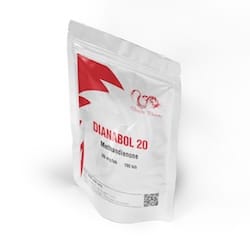
Buy Dianabol Pills Online – Best Prices and Fast Shipping
Decoding the Dianabol Label: Prohormones vs. Anabolic Steroids
The main difference comes down to chemical structure. Methandrostenolone is a controlled anabolic steroid. On the other hand, Hi-Tech Pharmaceuticals Dianabol is a legal prohormone supplement. While the steroid directly alters your hormonal pathways, the prohormone blend uses a proprietary 575mg mixture of ingredients designed to support muscle growth and prevent muscle breakdown.
Think of it like the difference between a professional driver and a high-performance engine component. Methandrostenolone, often called Methandienone, is the actual fuel that drives massive hormonal shifts. It is a potent, controlled substance that enters your bloodstream ready to work immediately.
On the flip side, the Hi-Tech Pharmaceuticals version is a dietary supplement. It doesn’t contain the steroid itself. Instead, it utilizes a proprietary 575mg blend—a specific, protected formula of ingredients—to trigger similar physiological responses without the same legal or hormonal baggage.
When you are browsing different vendors, you might see mentions of poseidonrx.com or other suppliers. Always look closely at the fine print. If the bottle says “Prohormone,” it is a legal supplement. If it says “Methandrostenolone,” you are looking at a controlled steroid.
The Magic of the Proprietary Blend
You might wonder why companies use a “proprietary blend” instead of listing every single milligram. It is a way for manufacturers to protect their secret sauce. They want to keep their specific ratios under wraps so competitors can’t copy their exact formula.
In the case of this 575mg blend, you aren’t getting a single, isolated chemical. You are getting a complex cocktail of ingredients working in tandem. This approach aims to maximize the “anabolic” effect—the process of building new tissue—while minimizing side effects.
What this means for you is a bit of a guessing game regarding exact dosages of individual components. You know the total weight is 575mg, but the specific ratio of each ingredient remains a trade secret. This is common in the supplement industry to maintain a competitive edge.
I often tell my clients to treat these blends like a chef’s special sauce. You know it tastes great and gets the job done, but you won’t find the exact measurement of every spice on the menu. It’s about the synergy of the whole, not just the parts.
Muscle Preservation and Anti-Catabolic Support
Training hard is only half the battle; the real work happens during recovery. This is where anti-proteolytic agents come into play. “Anti-proteolytic” is just a fancy scientific way of saying “anti-catabolic,” or the prevention of muscle protein breakdown.
When you push your limits, your body naturally enters a catabolic state, where it starts breaking down muscle tissue for energy. An anti-catabolic agent acts like a shield, blocking those destructive processes and ensuring that your hard-earned gains stay put even during intense training cycles.
By preventing this breakdown, these supplements help keep your body in a “building” state rather than a “wasting” state. It is like plugging a leak in a bucket; you can pour as much water (protein/calories) as you want, but if the holes aren’t plugged, you’ll never fill it.
The Hi-Tech Pharma Dianabol product line specifically targets this mechanism to support lean muscle mass. It focuses on making sure your body uses nutrients for growth rather than burning through existing muscle fibers for fuel.
The 33:1 Signaling Metaphor
You will often see the term “33:1 anabolic-to-androgenic ratio” tossed around in bodybuilding circles. This sounds incredibly technical, but let’s break it down with a simple metaphor to make it stick. Think of your body as a construction site.
The “anabolic” side is the construction crew building a new skyscraper. The “androgenic” side is the crew responsible for all the extra, sometimes unwanted, features like landscaping or decorative lighting. In a perfect world, you want a massive skyscraper without all the extra fluff.
A 33:1 ratio means that for every 1 unit of androgenic activity, you are getting 33 units of anabolic activity. This is a massive tilt toward muscle building. It’s like having a crew of 33 masons for every 1 electrician. The focus is almost entirely on the structural growth of the building.
The bottom line is that a high ratio is generally what athletes are chasing. They want the muscle-building signals to be loud and clear, while keeping the androgenic signals—which can lead to things like hair loss or skin issues—as quiet as possible.
Feature Anabolic Effect Androgenic Effect Definition Muscle Building Secondary Male Characteristics Ratio Goal High (33+) Low (1) Effective Bulking Cycles and Dosage Protocols
Effective cycles typically last between four to six weeks for lean bulking or up to eight weeks for aggressive mass gaining. To maintain stable blood levels, divide your total daily dose into multiple smaller doses spread throughout the day. Timing intake around training sessions can maximize the anabolic window, while monitoring for side effects is vital for safety.
Structuring Your Cycle Length
When you decide to step into the world of bulking, you have to decide on your objective. Are you looking to add a bit of “lean mass”—the kind of muscle that looks hard and defined—or are you aiming for a heavy, “dirty bulk” where the scale moves rapidly? Your choice dictates how long you stay on the protocol.
For lean bulking, I usually recommend keeping things relatively short, perhaps around four weeks. This prevents your body from being overwhelmed by excessive water retention and blood pressure spikes. It is a surgical approach, focusing on quality rather than just sheer weight on the scale. You want to build, not just swell.
If your goal is pure mass gaining, you might extend your cycle to eight weeks. However, be warned: the longer you stay on a cycle, the more your natural hormone production takes a hit. Think of it like a sprint versus a marathon; the faster you run, the sooner you’re going to hit the wall if you aren’t careful.
What this means for you is a trade-off between aesthetic precision and raw size. Most seasoned lifters find that a 6-week “sweet spot” offers the best balance. It provides enough time for the muscle-building signals to take hold without pushing your internal organs to their absolute limit.
Maintaining Stability Through Frequency
One mistake I see rookies make constantly is “bolus dosing.” This is a fancy way of saying they take their entire daily amount in one single, massive pill. This creates a huge spike in your system, followed by a massive crash. It’s like driving a car with the gas pedal floored and then slamming on the brakes.
Instead, you want a smooth, steady stream of nutrients and compounds. Splitting your dosage into two or three smaller increments throughout the day helps keep your hormone levels “level.” This stability prevents the dramatic ups and downs that can lead to mood swings or unnecessary fatigue during your workouts.
I always tell my peers to treat their intake like a slow-drip coffee machine rather than a sudden explosion. You want a consistent, reliable flow. This approach keeps the “anabolic window”—the period where your body is most primed for growth—open for as long as possible during your training day.
The bottom line is consistency. If you take your morning dose at 8:00 AM, try to take your afternoon dose at the same time every day. Your body loves a routine. When it knows what to expect, it can focus its energy on building tissue rather than constantly reacting to chemical fluctuations.
Timing and Training Synergy
Timing isn’t just about when you take your pills; it’s about when you feed the beast. Most lifters aim to time their intake around their training sessions to maximize the “anabolic” effect. You want those building blocks present when your muscle fibers are most primed to absorb them.
Taking a portion of your dose about an hour before your workout can provide a boost in strength and intensity. You’ll feel that extra “oomph” during your heavy sets. However, don’t forget the post-workout window. Your body is like a sponge after a heavy session, desperate for nutrients to repair the damage.
I’ve seen guys get so caught up in the timing of their supplements that they forget their actual food. A supplement is just a tool in the toolbox; it isn’t the house itself. If you aren’t eating enough protein and complex carbohydrates, even the best timing in the world won’t save your gains.
Think of your training as the spark and the supplement as the fuel. You need both, and they need to arrive at the right time to keep the fire burning. If you time it right, you’ll find that your recovery time drops significantly, allowing you to hit the gym harder more often.
Check out these common market options for various cycle lengths and their estimated costs:
Cycle Type Duration Estimated Cost Lean Bulk (4 Weeks) Short-term focus $45 – $65 Standard Mass (6 Weeks) Balanced growth $70 – $95 Aggressive Bulk (8 Weeks) Maximum size $110 – $140 Maintenance (2 Weeks) Off-season support $30 – $45 Listening to Your Body’s Feedback
You need to be hyper-aware of how you feel, not just how you look in the mirror. There is a fine line between “feeling the pump” and feeling genuinely unwell. If you start experiencing persistent acne, extreme irritability, or high blood pressure, your body is screaming at you to slow down.
Watch out for “water retention,” which is a significant buildup of fluid in your tissues. While it can make you look bigger, it can also make you feel bloated and sluggish. If your weight jumps ten pounds in three days, that’s not muscle; it’s a red flag regarding your systemic stress.
Another sign to watch for is “estrogen management” issues. If you notice significant nipple sensitivity or extreme lethargy, your body might be struggling to process the hormonal shifts. This is a biological feedback loop telling you that the current dosage is pushing your internal systems too far.
The bottom line is that no amount of muscle is worth permanent organ damage. If you feel like you’re redlining an engine that’s running low on oil, pull over. Listen to those subtle cues like changes in skin texture or sleep quality. They are your best guides for a safe journey.
Market Pricing and Value Comparison
Market pricing for Dianabol pills typically ranges from $30 to $70 depending on the bottle size and brand. Purchasing 90-count bottles generally offers a lower cost-per-serving compared to 60-count options. Choosing high-impact formulations like Hi-Tech Pharma often provides better value through concentrated ingredients, though generic alternatives remain the cheapest entry point for budget-conscious lifters.
When you walk into a supplement shop or browse online, the price tag is only half the story. You have to look at the math behind the bottle to see if you’re actually getting a deal. It is easy to get blinded by a low sticker price, but the long-term cost can bite you.
I have seen many guys grab the cheapest bottle available, only to realize halfway through their cycle that they are running out of pills too fast. If you are calculating your budget, always look at the “cost per pill” rather than the total checkout price. It is the only way to stay sane during a long bulk.
Think of it like buying milk; the large gallon is almost always a better steal than the small carton. In the world of anabolic support supplements—which are dietary aids designed to mimic certain physiological effects—the larger volume is usually your best friend for maintaining a consistent, uninterrupted cycle.
Decoding Bottle Sizes and Unit Costs
The choice between 60-count and 90-count bottles is a classic dilemma. A 60-count bottle might look more manageable for a short, four-week blast, but the math rarely favors it. When you break it down, the 90-count bottle often slashes the price of each individual tablet by 15% or more.
Let’s look at the raw numbers to see what this means for you. If a 60-count bottle costs $45, you are paying $0.75 per pill. If a 90-count bottle costs $60, that price drops to $0.66 per pill. Over a long training season, those cents add up to significant savings.
I always tell my peers to plan their cycle length before they pull the trigger on a purchase. If you are planning an eight-week mass building phase, buying two 60-count bottles is a waste of money compared to one large 90-count bottle and a spare. You want your supply to match your timeline perfectly.
The bottom line is that quantity often dictates the quality of your deal. If you have the upfront cash, go for the larger count. It prevents the “mid-cycle scramble” where you’re desperately hunting for more pills while your body is right in the middle of a growth spurt.
Brand Names vs. Generic Alternatives
You will notice a massive price gap between big names like Hi-Tech Pharma and the no-name generics floating around the web. Hi-Tech Pharma is a well-known brand in the industry, often producing high-impact formulations that aim for specific muscle-building goals. They tend to command a premium because of their reputation for consistency.
On the other hand, generic alternatives are the “budget” option. These are often unbranded pills that lack the heavy-hitting proprietary blends found in specialized products. While they might save you a few bucks today, they can be a gamble regarding what is actually inside the capsule.
If you want to see how professionals approach these selections, you can evaluate premium brands to see the difference in labeling and intended use. Sometimes, paying for the brand name is basically paying for peace of mind and a more predictable result.
In my experience, the “value” isn’t just about the lowest price; it’s about the efficacy per dollar. A $50 generic might not do much, while a $70 Hi-Tech bottle might deliver the results you actually want. Don’t let a cheap price tag lead you into a “dead-end” cycle where you gain nothing.
Identifying True Value Indicators
So, how do you spot a winner in a sea of supplement labels? You need to look for “high-impact” indicators. This refers to the concentration of active ingredients per serving. A pill that has 500mg of a blend is going to be much more effective than a 250mg pill, even if the latter is cheaper.
Watch out for “proprietary blends” that don’t list exact dosages for every ingredient. If a company is being secretive about their formula, they might be “label padding”—using a tiny amount of the expensive stuff and filling the rest with cheap junk. That is the fastest way to throw your money down the drain.
I look for transparency and potency. A high-value product will tell you exactly what you are getting and how much is in every single pill. You want a supplement that works with your biology, not one that leaves you guessing if you’re even getting the dose you paid for.
The real value is found where high potency meets a reasonable price-per-serving. Don’t chase the cheapest bottle on the shelf, and don’t overpay for a brand name if a reliable mid-tier option does the job. Aim for that sweet spot where your results match your investment.
Navigating Secure Online Purchasing and Shipping
To purchase safely, prioritize retailers with clear contact information, verified customer reviews, and transparent return policies. Look for sites using secure, encrypted payment gateways and discreet shipping methods to protect your privacy. Avoiding untraceable methods like wire transfers or gift cards is essential to ensure your financial data and physical delivery remain highly protected.
Finding Reliable and Legal Retailers
The internet is a wild frontier, and finding a trustworthy vendor is like searching for a needle in a haystack. You want to avoid any site that looks like it was designed in 1998. If the website lacks a clear “About Us” page or a legitimate physical address, run the other way. Professionalism often translates to operational legitimacy.
Check for third-party verification. A legitimate shop will have a history of successful transactions and real people leaving feedback. If a site only shows testimonials that look like they were written by the owner, treat it as a massive red flag. Real users talk about shipping speed and product quality, not just how “amazing” the company is.
What this means for you is that you should never settle for the first result on a search engine. Many scammers use high-ranking keywords to lure people in. Take five minutes to cross-reference the shop’s name on community forums. A little bit of detective work now can save you from a lot of heartache later.
Legality is a moving target depending on where you live, so always verify local regulations before you hit “buy.” A reputable vendor will often provide guidance on shipping protocols to ensure your package doesn’t get stuck in customs. They understand the nuances of international logistics and work to minimize your risk of loss.
Verifying Product Authenticity
When your package finally arrives, the work isn’t quite finished. You need to be your own quality control officer. Counterfeit batches are a nightmare, often containing nothing more than chalk or dangerous impurities. You are paying for specific ingredients, not a mystery pill that might cause unexpected side effects.
Look closely at the physical characteristics of the tablets. Do they match the description on the website? If you ordered a 500mg tablet and what arrives is a tiny, crumbly speck, you have a problem. Check the seal on the bottle immediately. A broken or tampered seal is an instant reason to demand a refund.
I always suggest keeping your packaging and the original order confirmation. If a batch is bad, you need that evidence to confront the seller. Some high-end brands even include batch numbers on the label. Matching these numbers to the manufacturer’s records is the gold standard for ensuring you aren’t getting a fake.
If you are unsure about a specific brand’s reputation, you can evaluate premium brands to see how legitimate manufacturers present their products. Authenticity is about consistency; if the product looks or smells different from your last cycle, trust your gut and stop using it.
Shipping, Timelines, and Discretion
Shipping is often the most nerve-wracking part of the process. Most reputable vendors offer “stealth shipping,” which means your package arrives in plain, unmarked packaging. It shouldn’t arrive with “Dianabol” or “Anabolic” written in big, bold letters on the box. It should look like a boring supplement or a generic health product.
Expect a range of timelines. Domestic shipping might take 3 to 7 business days, while international orders can take several weeks. If a site promises “overnight delivery” for a suspiciously low price, be wary. Speed is important, but reliability is much more valuable when you are trying to time your cycle perfectly.
The bottom line is to choose a vendor that provides tracking numbers. A tracking number is your lifeline; it tells you exactly where your investment is sitting. Without it, you are essentially throwing your money into a black hole and hoping it lands on your doorstep.
Pro tip: Always check the “Shipping Policy” page before paying. Some companies charge an extra $15 or $20 for “discreet packaging” or “insured shipping.” While it feels like an extra cost, it is a small price to pay for the peace of mind that your order won’t be lost or intercepted.
Protecting Your Financial Data
Your bank account is a target, and scammers love nothing more than a “secure” looking site that is actually a front for data harvesting. When you are at the checkout, look for the padlock icon in your browser’s address bar. This indicates that the site is using SSL (Secure Sockets Layer) encryption.
I strongly recommend using secure payment gateways like PayPal or reputable third-party processors. These services act as a buffer between your bank and the merchant. If something goes wrong with the shipment or the product is counterfeit, these services often offer buyer protection that a direct bank transfer simply cannot provide.
Avoid using credit cards that aren’t protected by robust fraud detection. Some people prefer using “virtual cards”—one-time use numbers generated by banking apps. This adds an extra layer of armor around your primary account, ensuring that even if the retailer’s database is breached, your main funds remain safe.
What this means for you is that you should never take shortcuts with your money. It might be tempting to use a cheap, unverified payment method to save a few dollars on shipping, but the risk to your identity and savings is far too high. Play it safe to play the long game.
Shipping Feature What to Look For Red Flag Packaging Plain, unmarked boxes Branded or labeled boxes Tracking Real-time tracking number “Shipping will update later” Payment Encrypted gateways (PayPal/SSL) Direct Wire/Gift Cards Optimizing Results for Strength and Lean Mass
To maximize gains, you must synchronize your nutrition, training, and recovery to match the heightened anabolic state. This requires a high-calorie surplus, progressive overload lifting, and careful management of water retention. Proper post-cycle care is essential to stabilize your natural hormones and retain the new muscle mass you have worked so hard to build.
Fueling the Growth Engine
Think of your body like a high-performance engine. If you try to race a Ferrari on cheap, low-grade fuel, you aren’t going to see the results you expect. When using an anabolic support like Dianabol, your metabolism is firing on all cylinders, which means your caloric demands will skyrocket.
You cannot build a skyscraper without enough bricks. To support lean mass, you need to prioritize high-quality protein sources—aiming for roughly 1 gram of protein per pound of body weight. Without this, your body may struggle to repair the micro-tears caused by intense training sessions.
Don’t shy away from complex carbohydrates like oats, sweet potatoes, and brown rice. These provide the steady energy needed for heavy lifting. A common mistake is staying in a deficit because you fear fat gain, but without a surplus, you’re essentially trying to build a house while someone is stealing the lumber.
What this means for you is a focus on nutrient density. Don’t just eat “more”; eat better. A structured meal plan prevents the dreaded “dirty bulk” where you gain more fat than muscle. Tracking your macros—the breakdown of proteins, fats, and carbohydrates—is your best defense against sloppy progress.
Navigating the Weight Fluctuations
One of the most common side effects of this supplement is water retention. Because these compounds can cause the body to hold onto fluid, the scale might jump up 5 or 10 pounds in a single week. This can be intimidating if you aren’t prepared for the visual change.
The key here is distinguishing between actual fat gain and subcutaneous water retention. Water weight is often a result of increased sodium levels or the hormonal shift itself. To manage this, keep your salt intake consistent and don’t shy away from hydration; drinking more water actually helps your body flush out the excess fluid.
I’ve seen many people panic when they see a sudden weight spike and immediately cut their calories. This is a mistake. If you crash your calories while your body is holding water, you’ll end up feeling flat and weak. Instead, maintain a steady intake and watch your strength levels in the gym.
If you find the bloating becomes uncomfortable, you might want to monitor your potassium and sodium balance. Keeping these electrolytes in check can help manage the “moon face” look that some people experience. It’s a balancing act, but staying calm is your greatest asset.
Lifting for Maximum Hypertrophy
You shouldn’t just lift heavy; you need to lift smart. Anabolic support provides the environment for growth, but the stimulus must come from your training. If you aren’t pushing the limits of your strength, you are essentially wasting the potential of the cycle.
Progressive overload is the golden rule. This means you must continually increase the stress placed upon the body during exercise. This can be achieved by adding more weight to the bar, performing more repetitions, or decreasing your rest periods between sets. If the weight stays the same, your muscle won’t grow.
I always tell my peers to focus on compound movements. Squats, deadlifts, and bench presses are the bread and butter of mass building. These exercises recruit multiple muscle groups, which triggers a greater systemic response. They are the foundation upon which all your other gains will be built.
The bottom line is consistency. You can’t have a “heavy day” followed by three “light days” and expect miracles. You need a structured program that challenges you every single week. If you feel like you’ve plateaued, it’s time to change your rep ranges or your tempo.
The Art of the Recovery Phase
The work doesn’t end when you stop your cycle. In fact, the post-cycle phase is where many people lose everything they just built. This is because your body’s natural hormone production may have been suppressed while using external support.
A Post Cycle Therapy (PCT) is often used to jumpstart your natural testosterone production. This is a critical period where you aim to restore hormonal balance. You might want to consult with a professional to determine the best approach for your specific biology and how to avoid the dreaded “crash.”
Nutrition remains vital during this time. You shouldn’t immediately drop back to your old, maintenance-level calories. Your body needs a steady supply of nutrients to maintain the new tissue. Think of it as a transition period rather than an immediate return to “normal.”
Pro tip: Prioritize sleep and micronutrients like Zinc and Magnesium. These are the building blocks of hormonal health. If you neglect your recovery, you aren’t just losing muscle; you’re risking your long-term health and well-being. Treat your body with respect, and it will reward you in kind.
Phase Primary Goal Key Focus Bulking Phase Muscle Accretion Caloric Surplus & Heavy Loads Water Management Reduced Bloating Electrolyte & Sodium Balance Post-Cycle (PCT) Hormonal Restoration Micronutrients & Gradual Caloric Taper -
Buy Deca Durabolin Online: Best Prices and Fast Shipping
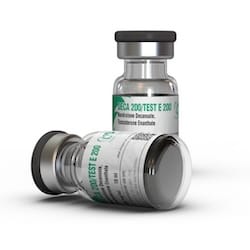
Buy Deca Durabolin Online: Best Prices and Fast Shipping
Navigating the Marketplace for Deca Durabolin
Finding a reliable source requires you to prioritize reputable suppliers like Steroids Warehouse or Saxon Pharmaceuticals to ensure product purity. You have to distinguish between small retail orders and large bulk sourcing from exporters. Always look for discreet nationwide shipping and verified product labels to avoid counterfeit vials while ensuring reliable customer service for international logistics.
Choosing Your Preferred Supplier Type
Think of your sourcing strategy like shopping for high-end car parts. You can either visit a local boutique dealership or go straight to the factory. Retailers like Steroids Warehouse focus on smaller, convenient orders for individual users. They offer quick turnaround times and localized shipping, which makes the process much smoother for beginners.
On the other hand, you might look toward massive exporters like Meds Dropship India. These entities act as large-scale wholesalers, moving massive quantities across borders. While the unit price might look tempting, the logistics become significantly more complex. You’ll deal with customs, international tracking, and much longer wait times compared to domestic retail.
A veteran in the scene might check poseidonrx.com or similar sites to compare vendor reliability. When comparing, keep an eye on the “hidden” costs. A $134.55 price tag on a single vial might seem high, but it often includes the peace of mind that comes with a verified, tested product.
What this means for you is that your budget should account for more than just the sticker price. If you choose bulk sourcing to save money, you are essentially betting on your ability to navigate international shipping. If you prefer certainty, stick to established domestic retailers who offer next-day delivery options.
Spotting the Real Deal vs. Counterfeits
The market is unfortunately flooded with “knock-offs” that are essentially expensive vegetable oil. To protect yourself, you have to become a bit of a detective. Verified products, such as those from Saxon Pharmaceuticals, come with consistent labeling and clear specifications. If a vial looks cloudy or has floating particles, walk away immediately.
A real Nandrolone Decanoate solution—the active ingredient in Deca—should be a clear, viscous liquid. If the liquid is gritty or contains sediment, it is a massive red flag. You aren’t just paying for the substance; you are paying for the science that keeps that liquid stable and sterile.
Check the seals carefully. A compromised cap or a poorly applied holographic sticker often signals a counterfeit. High-quality manufacturers invest heavily in their packaging to prevent tampering. If the vial looks like it was assembled in a garage, your health is likely at risk too.
The bottom line is that “too good to be true” is a rule you should live by. If a supplier offers a 500mg vial for $20, they are likely selling you nothing but disappointment. Always cross-reference the brand name with known manufacturing standards to ensure you are getting the actual hormone, not a cheap imitation.
Shipping and Logistics Essentials
When you hit the “order” button, the real work begins. You need to understand the nuances of discreet nationwide shipping. This means your package should arrive in plain, unmarked packaging that doesn’t scream “performance enhancers” to any nosy neighbors or postal workers. This privacy is non-negotiable for many users.
International orders add another layer of complexity. You might find yourself communicating with customer service agents in different time zones to track a shipment. A top-tier supplier will provide proactive updates and have a clear protocol for what happens if a package is lost at the border.
Use this table to help weigh your options before you commit your hard-earned cash:
Feature Retail Orders Bulk Sourcing Shipping Speed Fast (1-3 days) Slow (2-4 weeks) Discretion High/Standard Variable/High Risk Unit Cost Higher ($$$) Lower ($) The role of customer service cannot be overstated. If a shipment gets stuck in customs, a responsive support team is your only lifeline. Avoid vendors who use burner email addresses or refuse to communicate via standard channels. Reliable communication is the hallmark of a professional operation.
Analyzing Market Pricing and Value
Market pricing for Deca-Durabolin varies wildly based on concentration and brand reliability. While a standard Beligas 300mg vial might cost $134.55, high-concentration 500mg doses often command a premium. You must weigh the lower unit price of bulk international orders against the added risks of customs delays, shipping fees, and potential loss of product during transit.
When you start shopping around, you’ll notice that the sticker price is rarely the final number. It is a bit like buying a car; the initial quote looks great, but once you factor in taxes, registration, and insurance, the real cost changes. The same logic applies to Nandrolone Decanoate, the ester-linked version of the hormone deca.
A common pitfall for newcomers is falling for the “cheap” trap. You might see a listing for a 10ml vial of Deca-Durabolin—a common 10ml liquid container—at a fraction of the market average. However, if the price seems too good to be true, you are likely paying for a product that lacks purity or proper sterilization.
What this means for you is that you need to look at the math, not just the label. A higher price often covers the overhead of domestic warehousing and reliable logistics. If you choose to go the international route to save a few bucks, you are essentially gambling on the package actually making it through customs to your doorstep.
Comparing Dosage and Concentration
Price fluctuations often depend on how much active ingredient is packed into each milliliter. A 500mg dose provides a much higher concentration than a standard 300mg vial, meaning you use less total liquid to achieve your weekly goal. This efficiency can actually save you money over a long cycle, even if the initial cost is higher.
The math gets tricky when you start calculating the cost-per-mg ratio. This is the most important metric for long-term users. It tells you exactly how much you are paying for every single milligram of the steroid. If you are running a cycle for several months, a slightly more expensive, high-concentration vial might actually be the more economical choice.
Consider the following comparison to see how different setups impact your wallet. This breakdown helps you visualize the gap between budget-friendly options and premium, high-strength alternatives:
Product/Option Dosage/Type Estimated Price Value Metric Beligas Standard 300mg Vial $134.55 Standard High-Concentration 500mg Vial $165.00 Premium Bulk International 10ml/500mg $95.00 High Risk The bottom line is that consistency is worth a premium. If you are using a 500mg dose, you are likely looking at a more potent, concentrated liquid. While the upfront cost might sting, the convenience of fewer injections and more reliable sourcing often justifies the extra spend for serious athletes.
The Hidden Costs of Sourcing
Shipping is the silent killer of any budget. When ordering from overseas, you aren’t just paying for the liquid; you are paying for the logistics of moving a controlled substance across borders. International delivery fees can sometimes double your total cost once you add in “insurance” or priority handling fees.
Customs fees are another wildcard that can ruin your budget. If a package is flagged, you might be hit with unexpected import duties or even the cost of a legal headache. This is why many users prefer domestic shipping, even if the base price of the vial is higher than a foreign competitor.
You should also consider the “waste factor.” If you buy a very large, cheap quantity from an unverified source and half the vials arrive cloudy or unusable, your “cheap” deal just became the most expensive mistake of your life. Investing in quality ensures that every milligram you pay for actually makes it into your system.
If you want to play it safe, check out Saxon Pharmaceuticals to see how a professional operation handles their inventory. High-end brands often have much better consistency in their pricing and shipping protocols, which eliminates the guesswork that comes with bottom-tier suppliers.
Dosage Protocols and Concentration Levels
Effective Deca protocols typically involve weekly dosages for men ranging from 300mg to 600mg. Because Nandrolone Decanoate has a long 6-7 day half-life, injections are generally spaced out once per week. High-dose cycles of 500mg or more significantly increase the risk of water retention and estrogen-related side effects.
Managing Weekly Cycles
When you step into the world of performance enhancement, you aren’t just playing with numbers; you are managing biological stability. Most men find their sweet spot between 300mg and 600mg per week. Going lower might yield minimal muscle gains, while pushing past 600mg often feels like a slippery slope toward unwanted side effects.
The chemistry here is fascinating but tricky. Nandrolone Decanoate is an ester-linked hormone, meaning a chemical chain is attached to the molecule to slow its release into your bloodstream. This specific structure dictates how often you need to pin. Because the half-life sits at roughly 6-7 days, you can’t just inject once and forget it.
What this means for you is that stability is king. If you skip a week, your levels will plummet, potentially causing a crash. If you inject too frequently, you might spike your hormones unnecessarily. Most seasoned veterans aim for a single, consistent weekly shot to keep those blood levels as steady as a mountain stream.
Medical vs. Performance Use
It is vital to distinguish between clinical applications and bodybuilding goals. For instance, a 25mg dose of Deca Indura—a medical-grade injection—is a completely different beast than what you find in a gym setting. In a clinical context, such low doses are used to treat conditions like post-menopausal osteoporosis or anemia.
The distinction is massive. When doctors use these micro-doses, they are aiming to build bone density or red blood cell counts, not to pack on ten pounds of lean mass. Using a medical dose for performance is like trying to fuel a jet engine with a single drop of gasoline; it simply won’t do the job.
On the flip side, performance users are looking for hypertrophy, which is the increase in muscle cell size. This requires much higher concentrations and much larger doses. Mixing up these two worlds is a recipe for frustration, as the physiological response to 25mg versus 300mg is worlds apart.
The Heavy Hitters: High-Concentration Cycles
When users move into the 500mg range, they are entering the “heavy hitter” territory. At this level, you aren’t just nudging the needle; you are pushing the body’s anabolic machinery to its limit. This is where the concentration of the liquid in the vial becomes your best friend or your worst enemy.
A 500mg vial is highly concentrated, meaning you can hit a massive dose with very little liquid. This is great for minimizing “injection site soreness,” which is the pain or irritation at the spot where the needle enters the skin. However, high concentrations can sometimes lead to “hot spots” if the oil isn’t perfectly dissolved.
The bottom line is that higher doses bring higher rewards, but they also bring higher risks. You might see incredible strength gains, but you must be vigilant. The relationship between dosage and water retention is a direct line; as the dose climbs, so does the likelihood of holding onto extra fluid, which can bloat your look and spike your blood pressure.
If you’re looking for professional-grade quality to manage these heavy cycles, you can explore the Saxon Pharmaceuticals lineup to see how high-quality manufacturing impacts consistency.
- 300mg-600mg: The standard range for male muscle growth.
- 6-7 Days: The typical half-life of the Decanoate ester.
- Water Retention: A common side effect that scales with dosage.
- Deca Indura (25mg): A low-dose medical version for bone health.
Clinical Applications and Medical Utility
Clinical use of nandrolone focuses on restoring physiological balance rather than maximizing physical performance. Doctors prescribe low-dose injections to treat postmenopausal osteoporosis, anemia, and certain cancers. Unlike the high doses used by athletes, these medical applications aim to maintain bone density and red blood cell production through precise, controlled hormone replacement therapy.
The Medical Role of Nandrolone
When we talk about Deca Indura 25mg, we are stepping into the realm of serious medicine. This specific, low-dose formulation is a lifesaver for women facing postmenopausal osteoporosis. As estrogen levels drop, bones can become brittle and prone to fractures. This micro-dose helps rebuild bone mineral density without the extreme side effects seen in higher doses.
It isn’t just about bone health, though. Physicians often lean on nandrolone to combat anemia, which is a deficiency in red blood cells that leaves patients feeling exhausted. By stimulating erythropoiesis—the production of new red blood cells—the medication helps patients regain their vitality and energy levels during recovery from chronic illness.
In the fight against certain types of breast cancer, nandrolone can play a strategic role. It helps manage the systemic effects of the disease, specifically addressing the wasting syndromes that often accompany advanced stages. It is a tool for quality of life, helping to stabilize the body when it is under immense physiological stress.
The bottom line is that medical utility is about restoration. While a bodybuilder wants to push past natural limits, a patient simply wants to return to a baseline of health. The difference lies in the intent: one seeks to expand capacity, while the other seeks to repair what has been lost.
Ester Logic and Hormone Replacement
To understand why this drug lasts so long, you have to understand the Decanoate ester. Think of the ester as a heavy anchor attached to the nandrolone molecule. This “anchor” prevents the hormone from being processed by your liver and kidneys immediately, forcing it to release into your bloodstream slowly over several days.
This physiological mechanism is what makes long-acting injections possible. Without this ester, you would need to inject every single day to keep your levels steady. Because the Decanoate ester lingers, it provides a slow, steady drip of hormone, which is much gentler on the body’s internal regulatory systems during therapy.
There is a massive chasm between hormone replacement therapy (HRT) and performance enhancement. HRT is a corrective measure designed to bring a patient’s levels back to a normal, healthy range. It is a delicate balancing act intended to mimic natural biological functions and prevent long-term metabolic damage.
Performance enhancement, conversely, involves supra-physiological doses. These are levels far beyond what the human body could ever produce naturally. While HRT aims for stability and health, performance enhancement aims for rapid hypertrophy—the growth of muscle tissue—often at the cost of the body’s natural endocrine production.
If you are looking for professional-grade quality to manage these heavy cycles, you can explore the Saxon Pharmaceuticals lineup to see how high-quality manufacturing impacts consistency.
Application Type Primary Goal Typical Dosage Range Medical Therapy Bone/Blood Health 25mg – 50mg Performance Use Muscle Hypertrophy 300mg – 600mg+ Logistics, Shipping, and Procurement
Securing high-quality nandrolone requires navigating a complex global landscape of domestic and international suppliers. For those within the United States, next-day shipping is often available through specialized domestic warehouses. However, when sourcing from international exporters like Meds Dropship India, you must carefully manage customs, verify product purity, and ensure temperature-controlled transit to maintain chemical stability.
Navigating the Supply Chain
If you are living in the States, you might be lucky enough to find domestic providers that offer lightning-fast delivery. Some specialized warehouses actually offer next-day shipping across the entire USA, which is a massive relief when you are trying to maintain a consistent hormonal baseline. Speed is a luxury, but it also minimizes the time a product sits in a transit hub.
On the other hand, many people look toward international markets to find specific formulations. This is where things get a bit hairy. Working with an exporter like Meds Dropship India—a large-scale supplier and service provider based in Navi Mumbai—requires a bit of grit. You are essentially dealing with a global logistics chain that involves much more paperwork and potential delays.
What this means for you is that you cannot simply “set it and forget it” when ordering from overseas. You have to be proactive about tracking your package and understanding the customs landscape. It is not just about clicking a button; it is about managing a cross-border transaction that requires patience and a clear understanding of international shipping regulations.
I have seen many people get burned because they didn’t account for the time a package spends sitting in a customs warehouse. If you are playing the long game, always order a surplus. Never wait until your current vial is empty before placing your next international order, or you will find yourself in a very uncomfortable biological deficit.
Ensuring Product Integrity
Shipping is more than just moving a box from point A to point B; it is a race against physics. Injectable steroids are delicate chemical compounds. If a package sits in a hot delivery truck in Arizona for three days, the heat can potentially degrade the active nandrolone decanoate, rendering your expensive investment useless or, worse, unstable.
When your package arrives, the first thing you should do is check the seal. You want to see a pristine, vacuum-sealed cap. If the plastic wrap looks tampered with or the seal is loose, do not hesitate to set it aside. Your safety is worth much more than the $134.55 you spent on a single bottle.
The bottom line is that you are the final inspector. Even if a supplier claims high standards, the journey through the postal system is unpredictable. You should always inspect the clarity of the liquid. It should be clear and consistent without any floating particles or discoloration, which could indicate bacterial growth or chemical breakdown.
To keep things organized, I recommend keeping a simple log of your shipments. Note the date ordered, the date received, and the batch number. If you notice a change in how the product feels or looks compared to previous orders, you will have the data you need to contact the vendor immediately.
Verifying Origin and Specifications
The market is flooded with “knock-offs” that claim to be high-grade steroids but are actually cheap fillers. This is why verifying the origin of your injectable steroids is non-negotiable. You need to know exactly which laboratory manufactured the batch. A reputable manufacturer will always provide clear, transparent specifications on their labeling.
When you receive your shipment, look for the following details to ensure you aren’t being sold a dud:
- Batch Number: This should match the documentation provided by the manufacturer.
- Concentration: Ensure the mg/ml matches what you ordered (e.g., 250mg/ml).
- Excipients: The inactive ingredients should be consistent across different vials.
- Seal Integrity: The physical integrity of the glass vial and the rubber stopper.
You should also look for “verified” status from the vendor. For instance, some vendors prioritize transparency by providing clear specifications for products like Deca-Durabolin 300 Beligas. If a seller is being vague about where their product comes from, that is a massive red flag. In this industry, if it sounds too good to be true, it usually is.
If you want to see how professional labs handle their documentation, you can check out the Saxon Pharmaceuticals line to see what high-standard labeling looks like. It sets a benchmark for what you should expect when you are paying for quality.
Shipping Method Typical Speed Risk Level Domestic (USA) 1-3 Days Low International 2-6 Weeks Moderate/High -
Buy High-Performance Cutting Stacks for Maximum Fat Loss
Buy High-Performance Cutting Stacks for Maximum Fat Loss
Core Components of a High-Performance Cutting Stack
A high-performance cutting stack focuses on maximizing fat oxidation while preserving lean muscle tissue through a synergy of thermogenics, fat burners, and metabolic enhancers. These combinations work by increasing the body’s basal metabolic rate and mobilizing stored lipids for energy, ensuring you drop body fat without sacrificing the hard-earned muscle mass you’ve built.
Think of a cutting stack as a precision toolset rather than a sledgehammer. You aren’t just trying to lose weight; you are trying to reshape your physique. If you simply starve yourself, you’ll end up looking “flat” or “skinny-fat” rather than ripped and defined. You need ingredients that keep your engine running hot.
When you look at the market, you’ll see many different vendors. Some people check out poseidonrx.com when comparing various supplement suppliers. The key is understanding that the right stack acts as a catalyst, pushing your metabolism to burn through those stubborn fat cells that seem to resist even the most disciplined diets and intense cardio sessions.
The Role of Thermogenics and Fat Burners
Thermogenics are substances that increase your core body temperature, which in turn forces your body to burn more calories to maintain homeostasis. It’s like turning up the heat on a furnace to burn through the logs faster. These are the heavy lifters in any cutting protocol, helping you bridge the gap during a caloric deficit.
Commonly used ingredients include caffeine and green tea extracts, which act as mild stimulants. However, for those looking for more significant results, some athletes turn to more potent compounds. The cutting process often requires a delicate balance to ensure you don’t crash or experience extreme jitters that ruin your training intensity.
I’ve seen many lifters make the mistake of overdoing the stimulants. If your heart is racing like a hummingbird, you won’t be able to focus on your lifting mechanics. You want a steady, controlled burn, not a frantic spike and a massive crash. Aim for sustained energy that carries you through your fasted morning cardio.
Muscle Preservation Agents
The biggest fear during a cut is muscle wasting. When you are in a deficit, your body is looking for any way to shed expensive tissue to save energy. To prevent this, you need muscle preservation agents—substances that help signal the body to keep using amino acids for repair rather than fuel.
Some athletes look toward natural alternatives to traditional anabolic steroids to achieve this. For instance, D-Bal Max is recognized as one of the top legal steroid alternatives for those seeking muscle density without the harsh side effects of illegal substances. This helps keep your muscle fullness intact even as the fat melts away.
A pro tip I’ll give you is to prioritize protein timing alongside these agents. Even the best stack cannot overcome a fundamental lack of protein. If you aren’t hitting your daily grams, you’re essentially throwing money down the drain. Use your supplements to enhance your nutrition, not to replace it entirely.
Metabolic Modulators and Support
Metabolic modulators are ingredients that help regulate how your body processes carbohydrates and fats. They essentially help prevent the “metabolic adaptation” that happens when you diet for too long. This is that dreaded plateau where your weight stops moving despite you eating less and training harder than ever before.
You might also consider a support stack to manage the physiological stress of a cut. High-intensity training and low calories can spike cortisol, the body’s primary stress hormone. High cortisol is a notorious muscle killer and can cause you to hold onto water, masking your actual fat loss progress.
Component Type Primary Function Estimated Cost (Monthly) Thermogenics Increase calorie burning $30 – $60 Muscle Protectors Prevent muscle catabolism $40 – $80 Metabolic Support Prevent plateaus $30 – $50 The bottom line is that a stack is a multiplier. If your training and diet are at a zero, a stack will still result in zero. But if your foundation is solid, these components can push your physique into a realm of definition you never thought possible through diet alone.
Dosage Protocols and Timing for Maximum Fat Loss
To maximize fat loss, you must time your dosages around your metabolic windows, specifically before fasted cardio and heavy lifting sessions. Most effective stacks utilize morning administration for stimulants to boost thermogenesis and evening doses for muscle preservation agents. This strategic timing ensures high energy when needed and constant amino acid availability to prevent muscle wasting throughout the day.
Mastering the Timing Window
Timing is the secret sauce that separates a mediocre transformation from a world-class physique. If you take your thermogenic agents, which are substances that raise body temperature to burn more calories, too late in the day, you’ll be staring at the ceiling at 3 AM. Sleep is when your hormones actually do the heavy lifting for fat oxidation.
I recommend a split approach. Start your morning with your most potent stimulant to kickstart your metabolic rate. This works wonders if you are doing fasted cardio—training in a fasted state, which means exercising before consuming any calories—to force your body to tap into fat stores for fuel rather than relying on recent meals.
When it comes to muscle preservation, timing shifts toward your training window. You want those compounds in your system when you are actively tearing muscle fibers. Taking your muscle-sparing agents roughly 30 to 60 minutes before a workout can help create a protective environment for your lean tissue during high-intensity sessions.
What this means for you is a more controlled energy curve. Instead of a massive spike that leaves you crashing during your final sets, a staggered approach provides a steady burn. Think of it like a slow-release capsule rather than a sudden explosion. It keeps the fire burning without burning out the engine.
Optimizing Your Daily Schedule
Don’t just scatter your pills like confetti and hope for the best. A disciplined protocol requires a structured rhythm. For instance, many athletes find that taking a metabolic modulator—a substance that helps regulate how your body processes nutrients—with your largest meal of the day prevents the dreaded insulin spikes that can halt fat loss.
I’ve seen guys run the same dose for months, wondering why their progress stalled. The body is a master of adaptation; it learns to work around the stimulus. Occasionally, you may need to cycle your dosage, meaning you take a scheduled break from the stack to reset your body’s natural sensitivity to the ingredients.
A pro tip from my years in the trenches: track your body temperature. Since thermogenics are designed to raise your core temperature, a slight, consistent increase can be a sign that the protocol is working. If you feel cold or lethargic, your dosage might be too low or your caloric deficit is too aggressive.
The bottom line is that consistency beats intensity every single time. You can have the most expensive stack on the planet, but if you miss your morning dose or take your muscle protectors at the wrong time, you’re leaving gains on the table. Stick to a strict clock, and the results will follow.
Consider these typical monthly investment options for different protocol depths:
Protocol Level Primary Focus Monthly Cost Beginner Stack Metabolic Support $45 Intermediate Stack Fat Burning & Muscle $95 Advanced Stack Maximum Definition $160 Elite Full Cycle Total Body Recomposition $240 Avoiding the Common Pitfalls
Many people treat their cutting stack like a magic pill, assuming it will override a bad diet. That’s a dangerous misconception. If you are eating 500 calories over your maintenance level, no amount of thermogenic magic will make you lean. The stack is a tool, not a get-out-of-jail-free card for junk food.
Watch out for “stimulant fatigue.” This is a state where your nervous system becomes desensitized to the caffeine or other stimulants in your stack. If you find you need more and more just to feel “normal,” it’s time to pull back. You want to be a scalpel, not a sledgehammer, when approaching your fat loss goals.
Finally, keep an eye on your hydration. Most high-performance stacks have a diuretic effect, meaning they cause you to lose water. If you aren’t drinking significantly more water than usual, you’ll end up looking flat and feeling exhausted. A dehydrated muscle is a weak muscle, and we are here to build strength, not just lose weight.
Market Pricing and Procurement Strategies
Managing a cutting stack requires balancing budget with ingredient quality to ensure consistent results. Most enthusiasts should expect to spend between $50 and $250 monthly depending on the complexity of their protocol. Smart procurement involves buying high-quality, legal alternatives and sourcing products through reputable manufacturers to avoid the significant risks of counterfeit supplements.
Navigating the Cost of Quality
When you start looking at the numbers, it becomes clear that not all stacks are created equal. You might find a “budget” option online for $30, but you have to ask yourself what you are actually getting for that price. Often, these cheaper options are heavily diluted with fillers that offer zero metabolic benefit.
I always tell my peers that you get what you pay for. Investing in premium, third-party tested products—meaning they have been verified by an independent lab to ensure they contain exactly what the label claims—is non-negotiable. It is better to spend $120 on a high-potency stack that actually works than $40 on something that just gives you a jittery headache.
The bottom line is that your budget should reflect your goals. A beginner trying to tighten up their midsection might only need a basic thermogenic supplement. However, if you are an advanced athlete attempting a rapid transformation, you will likely need a multi-component stack including muscle-sparing agents to prevent tissue breakdown.
Consider these typical monthly investment options for different protocol depths:
Protocol Level Primary Focus Monthly Cost Beginner Stack Metabolic Support $55 Intermediate Stack Fat Burning & Muscle $110 Advanced Stack Maximum Definition $185 Elite Full Cycle Total Body Recomposition $275 Sourcing Your Stack Safely
The world of supplements is a bit like the Wild West; it can be a chaotic place if you don’t know the rules. I have seen too many people fall for “too good to be true” deals on social media. If a site claims to sell illegal anabolic steroids for a fraction of the market price, run the other way.
Instead, focus on legal steroid alternatives. These are dietary supplements designed to mimic some of the anabolic properties of traditional steroids without the illegal status or the heavy side effects. For instance, many people look toward reputable supplement brands that specialize in legal muscle support to keep their results consistent and their bodies healthy.
What this means for you is a much smoother journey. When you source from established companies, you aren’t just buying a bottle; you are buying peace of mind. You know exactly what is going into your bloodstream, which is vital when you are already pushing your body to its physiological limits during a cut.
A pro tip for the savvy shopper: look for bulk purchasing discounts. Many manufacturers will offer a significant markdown if you buy a three-month supply rather than a single month’s worth. If you have already found a stack that works for your biology, buying in bulk is the smartest way to keep your costs down.
Strategic Nutritional Synergy for Your Stack
To maximize a cutting stack, you must pair your supplements with a high-protein, calorie-controlled diet designed to preserve lean tissue. This synergy relies on consuming sufficient amino acids to prevent muscle catabolism—the process where your body breaks down muscle for energy—while maintaining a caloric deficit to force fat oxidation.
Fueling the Fat Loss Engine
Think of your nutrition as the fuel that dictates whether your stack burns fat or just burns you out. You can have the most advanced thermogenic—a supplement designed to increase body temperature and metabolic rate—but if your diet is a mess, you are essentially throwing money into a bonfire. I’ve seen plenty of guys follow a perfect protocol but fail because they neglected their macronutrients.
Protein is your absolute best friend during a cutting phase. When you are in a deficit, your body looks for any excuse to tap into your hard-earned muscle for fuel. By keeping protein intake high, you provide your system with a steady supply of building blocks, effectively telling your body to leave the muscle alone and focus on the fat stores.
Don’t go overboard on fats or carbs, but don’t cut them out entirely either. Fats are essential for hormone production, which keeps your metabolism running smooth. If you drop your fat intake too low, you might crash your testosterone levels, making your stack feel like it’s working against you instead of with you. It is all about that delicate balance.
What this means for you is a need for precision. You shouldn’t just “eat healthy”; you need to track your intake to ensure you aren’t accidentally eating back all the calories you worked so hard to burn. Precision is the difference between looking shredded and just looking skinny and depleted.
The Role of Micronutrients and Hydration
When you are pushing your body through a rigorous cutting cycle, your demand for micronutrients—the vitamins and minerals that regulate bodily functions—skyrockets. A deficiency in magnesium or B-vitamins can lead to cramping and fatigue, which will absolutely derail your training intensity. If you can’t lift heavy, you can’t signal your body to keep its muscle.
Water is another massive player that people constantly overlook. Many cutting agents act as diuretics, which are substances that increase the production of urine, causing you to lose water. If you don’t stay ahead of this by drinking extra water, your muscles will look flat and lose that “pop” that makes a physique look impressive under the lights.
I always tell my clients to treat hydration like a job. If you feel thirsty, you are already behind the curve. Keep a large jug on your desk and aim for consistent sipping throughout the day. This keeps your blood volume up and ensures your kidneys can efficiently process the metabolic waste produced during fat oxidation.
Consider this simple nutritional framework to support your supplementation:
Nutrient Type Primary Function Strategic Goal High Protein Muscle Preservation Prevent Catabolism Complex Carbs Glycogen Sparing Maintain Training Intensity Healthy Fats Hormonal Support Regulate Testosterone Electrolytes Nerve Function Prevent Cramping Timing Your Intake for Maximum Impact
Timing your meals around your workouts can be a total game-changer. I recommend consuming a moderate amount of carbohydrates before your training session to fuel your performance. This ensures you have the energy to push through those final, grueling reps that drive metabolic stress and muscle retention.
Post-workout, you want to pivot toward rapid-digesting proteins and perhaps a small amount of fast-acting carbs. This helps jumpstart the recovery process and shuttles nutrients into the muscle cells when they are most receptive. It is about working with your body’s natural insulin sensitivity to optimize your results.
The bottom line is that your stack is an enhancer, not a replacement for a disciplined lifestyle. If you treat your nutrition as an afterthought, you are essentially trying to drive a race car with no oil in the engine. It might move for a few miles, but eventually, everything is going to seize up.
A pro tip for the dedicated: try to spread your protein intake across 4-5 meals throughout the day. This maintains a steady state of amino acids in your bloodstream, which is a much more effective way to support muscle protein synthesis than eating two massive, heavy meals that leave you feeling sluggish.
Mitigating Side Effects and Managing Recovery
Managing side effects requires a proactive approach to hormonal health and organ support. To mitigate risks, focus on maintaining high micronutrient density, staying aggressively hydrated, and utilizing legal alternatives to minimize systemic strain. Prioritizing recovery through structured sleep and strategic nutrient timing ensures your body can handle the metabolic demands of a cutting cycle without crashing.
Think of your body like a high-performance engine. When you push the limits with a cutting stack, you are essentially redlining that engine. If you don’t provide the right coolant and high-quality fuel, things are going to overheat and break down very quickly. You have to be the mechanic who anticipates the wear and tear before it becomes a total engine failure.
The bottom line is that you cannot out-supplement a poor foundation. If your sleep is trash and your stress levels are through the roof, even the most expensive stack won’t save you from a metabolic crash. You need to listen to your body’s subtle signals—the slight fatigue or the mood swings—before they turn into full-blown burnout.
What this means for you is a commitment to monitoring your biomarkers. I always tell my peers that “feeling fine” is not a metric. You want to feel optimal. If you notice your skin breaking out or your joints feeling “dry,” those are your body’s way of waving a red flag. Don’t ignore the warnings.
Hormonal Health and Liver Support
A major concern during any cycle is the impact on your natural hormone production. When you introduce exogenous substances—external compounds that mimic or enhance your body’s natural hormones—your system might decide it can take a permanent vacation. This is known as suppression, where your body stops producing its own testosterone because it thinks it has plenty.
To fight this, many lifters look into legal alternatives that aim to support muscle growth without the heavy-handed hormonal disruption associated with traditional anabolic steroids. These options are designed to be safer, focusing on promoting an anabolic environment—a state where muscle building is prioritized over muscle breakdown—without the extreme side effects.
Another vital piece of the puzzle is liver support. Many oral compounds are hepatotoxic, meaning they can cause stress or damage to the liver as it works to process the substances. I recommend incorporating milk thistle or NAC (N-Acetyl Cysteine) into your regimen. These are antioxidants that help protect liver cells from oxidative stress during intense cycles.
I once worked with a guy who was so focused on the “cutting” aspect that he ignored his blood pressure. He was dropping fat like crazy, but his heart was working overtime. Always keep an eye on your blood pressure. High blood pressure is a silent killer in the bodybuilding world, and it can happen even when you look lean.
Managing Physical and Mental Fatigue
Cutting is essentially a controlled state of starvation. Your body is naturally wired to fight against calorie deficits, which can lead to a massive drop in motivation and “brain fog.” This mental fatigue is often more detrimental to your progress than physical exhaustion because it kills your drive to train hard.
To combat this, don’t go from zero to sixty with your calorie deficit. If you drop your calories too low, too fast, your cortisol—the primary stress hormone—will skyrocket. High cortisol is a muscle killer and causes your body to hold onto stubborn water, making it look like your cut isn’t even working. It’s a frustrating paradox.
I suggest using “refeed days” to keep your leptin levels in check. Leptin is the hormone responsible for signaling satiety and regulating metabolism. By occasionally increasing your carbohydrate intake for a day, you trick your body into thinking it is not starving, which helps keep your metabolic rate from stalling out entirely.
Use this checklist to monitor your recovery status:
- Sleep Quality: Are you waking up feeling refreshed or groggy?
- Strength Levels: Is your weight on the bar dropping significantly?
- Mood Stability: Are you becoming unusually irritable or anxious?
- Joint Health: Do your elbows and knees feel “clicky” or sore?
If you check more than two of these boxes as “negative,” it is time to pull back. You aren’t training for a bodybuilding stage today; you are training for longevity. A successful cut is one where you reach your goal physique without leaving a trail of broken health behind you.
-
Buy Clomid for Your PCT Protocol Online
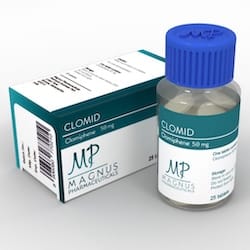
Buy Clomid for Your PCT Protocol Online
Mastering the Clomid PCT Protocol
Mastering a Clomid PCT protocol involves using clomiphene citrate, a Selective Estrogen Receptor Modulator (SERM), to signal the pituitary gland to resume natural hormone production. By blocking estrogen receptors in the brain, it triggers the release of luteinizing hormone and follicle-stimulating hormone, effectively restarting your body’s internal testosterone manufacturing system.
Think of your endocrine system like a thermostat in a house. After a heavy cycle, you have essentially turned off the heat by providing external hormones. Your body, sensing it has enough, stops its own production. Clomid acts like a sensor that tricks the system into thinking it is cold, forcing the furnace back on.
This process targets the Hypothalamic-Pituitary-Testicular Axis, or HPTA. This is the communication loop between your brain and your testes. When you stop exogenous hormones, the HPTA often stays dormant. Clomid steps in to bridge that gap, nudging the hypothalamus to release Gonadotropin-Releasing Hormone (GnRH), which eventually stimulates the testes to produce testosterone again.
I often tell my clients that you cannot simply “flip a switch” to return to baseline. It is more like coaxing a sleeping giant. You need the right chemical signals to wake up the HPTA without causing massive mood swings or vision issues, which can sometimes occur if you overdo the dosage too quickly.
Navigating Dosage Scenarios and Titration
When deciding on a dose, you are essentially balancing recovery speed against side effects. Most lifters fall into one of two camps: the aggressive approach or the slow titration method. The aggressive approach usually involves a high dose, such as 50mg daily, to force a rapid spike in hormone production immediately after a cycle.
The alternative is titration, which means gradually reducing the dose over several weeks. For example, you might start at 50mg for two weeks, then drop to 25mg for another two weeks. This gradual descent is often smoother for your mental health and helps prevent the “crash” that occurs when estrogen levels fluctuate wildly during the transition.
The bottom line is that your goal is to maintain high levels of Luteinizing Hormone (LH) and Follicle-Stimulating Hormone (FSH). These are the messengers that tell your testes to get to work. If your LH and FSH remain low, your natural testosterone will continue to plummet, regardless of how much muscle you worked to build.
Approach Typical Dosage Main Benefit Main Drawback Aggressive 50mg Daily Rapid HPTA restart Higher side effect risk Titration 25mg – 50mg (Tapered) Smoother hormonal transition Requires more patience Some people look for specific brands like those found on poseidonrx.com when searching for supplement support, but the core logic remains the same. You are looking for consistency. Whether you use a high-strength dose or a lower amount, the key is staying consistent so the brain doesn’t get confused by erratic signals.
The Transition to Natural Production
Transitioning from an exogenous cycle—meaning hormones coming from outside your body—to natural production is the most precarious phase of any bodybuilding journey. You are essentially teaching your body how to be a factory again after it has been running on delivered goods for months. It is a delicate dance.
During this phase, your body is trying to find its new equilibrium. It is common to experience “the dip,” where your natural testosterone levels drop before they start to climb. You might feel lethargic or experience mood swings. This is a normal part of the recalibration process, but you must monitor it closely.
To help this transition, many athletes use clomiphene tablets to maintain the signal. If you find that your bloodwork shows low LH even while on Clomid, it might mean your HPTA is particularly sluggish. In such cases, a doctor might suggest a different approach entirely.
What this means for you is that you must prioritize blood work. You cannot guess your way through a PCT. You need to see the actual numbers for your Total Testosterone, Estradiol, LH, and FSH. Relying on “how you feel” is a dangerous game when it comes to your long-term endocrine health and fertility.
Comparing Top Tier Clomid Brands and Quality
Selecting the right brand of Clomid requires evaluating purity, dosing consistency, and manufacturer reputation. Top-tier options like Hilma Biocare and Pharma Lab offer high potency for recovery, while specialized brands like Gomeisa Labs focus on specific bodybuilding needs. Always prioritize verified sources to ensure you are receiving actual clomiphene citrate rather than ineffective fillers.
When you are navigating the rocky waters of post-cycle therapy, the quality of your gear is everything. You aren’t just looking for a pill; you are looking for a precision instrument designed to jumpstart your endocrine system. If the potency is off, your entire recovery might stall out before you even get started.
I have seen guys waste months on cheap, questionable batches that did absolutely nothing for their LH or FSH levels. It is like trying to jumpstart a car with a dying battery. You might think you are doing the work, but the spark just isn’t there to get the engine turning.
The bottom line is that “cheap” can become very expensive if your hormones don’t bounce back. You want a brand that delivers exactly what is listed on the label, every single time. Consistency is the secret sauce that keeps your biological signals steady during this sensitive transition period.
Evaluating Leading Manufacturers
Hilma Biocare 50mg tablets are often considered the gold standard for purity in the SERM—Selective Estrogen Receptor Modulator—category. These tablets are designed to target estrogen receptors specifically, helping to signal your brain to ramp up testosterone production. They are a premium choice for those who want high-grade pharmaceutical quality.
On the other hand, Pharma Lab 50mg packs are a workhorse for many serious lifters. They are known for providing extremely consistent dosing, which means you won’t deal with the “rollercoaster” effect of uneven pill strengths. This stability is vital when you are trying to keep your estrogen levels from spiking or crashing.
Then we have the battle between Gomeisa Labs USA and Euro-Pharmacies Clomixin. Gomeisa Labs is widely recognized in bodybuilding circles for its reliability during PCT, specifically tailored for those coming off heavy cycles. Meanwhile, Clomixin from Euro-Pharmacies is a clinical-grade option often favored for its proven track record in stimulating natural testosterone levels.
Each brand brings something different to the table. While Hilma might be your go-to for pure, high-potency pharmaceutical grade, Pharma Lab might be your daily driver for its cost-effective consistency. Choose the one that aligns with your specific recovery protocol and budget.
Check out these common market options to see how they stack up against each other:
Brand & Product Quantity/Format Estimated Price Range Hilma Biocare 50mg (50 Tabs) $30.00 – $40.00 Pharma Lab 50mg (50 Tabs) $45.00 – $60.00 Clomixin (Euro-Pharmacies) 50mg (50 Tabs) $35.00 – $50.00 Gomeisa Labs USA 25mg/50mg Packs $50.00 – $80.00 How to Verify Genuine Product
The market is unfortunately flooded with counterfeits that are nothing more than chalk and baby aspirin. To avoid this, you must look for more than just a low price. If a deal looks too good to be true, it almost certainly is. Don’t gamble with your endocrine health on a “too good to be true” bargain.
One way to verify your supply is to look for specific packaging cues and batch numbers. Genuine clomiphene tablets should have a consistent texture, weight, and imprint. If the pills look different from one bottle to the next, throw them out immediately. Consistency is your best friend here.
Another red flag is the lack of third-party testing or clear ingredient lists. Reliable brands often provide transparency regarding their manufacturing processes. If a seller refuses to tell you where the product is made or how it is tested, walk away. It’s better to pay a little more for peace of mind.
Lastly, always listen to your body. If you start a new batch and suddenly experience intense eye floaters or extreme mood swings, your dose might be inaccurate. While some side effects are normal, a sudden shift often indicates you are no longer getting the dose you think you are. When in doubt, get your bloodwork done.
Market Pricing and Strategic Purchasing
Clomid pricing typically ranges from $7.10 for small 10-count packs up to $100.00 for bulk quantities. Costs vary significantly depending on whether you purchase from a specialty steroid shop or a pharmacy. For a standard 4-8 week cycle, expect to budget between $30.00 and $100.00 to ensure adequate coverage.
I have seen guys waste months on cheap, questionable batches that did absolutely nothing for their LH or FSH levels. It is like trying to jumpstart a car with a dying battery. You might think you are doing the work, but the spark just isn’t there to get the engine turning.
The bottom line is that “cheap” can become very expensive if your hormones don’t bounce back. You want a brand that delivers exactly what is listed on the label, every single time. Consistency is the secret sauce that keeps your biological signals steady during this sensitive transition period.
Navigating the Price Tiers
When you start looking at the market, you will notice a massive spread in entry costs. A small pack of clomiphene tablets can be found for as little as $7.10. This is perfect if you are just testing the waters or running a very short, low-dose protocol.
However, those tiny packs are a trap for the unwary. If you try to build a full cycle out of single-digit packs, your shipping costs and “per pill” price will skyrocket. It is much more efficient to buy in larger quantities to drive your unit cost down significantly.
On the high end, you will see bulk options hitting the $100.00 mark. While that looks steep on a receipt, you are essentially buying insurance for your endocrine system. Buying in bulk ensures you have enough to finish the job without having to hunt for another supplier mid-cycle.
What this means for you is a choice between convenience and economy. If you are a seasoned veteran, you likely favor the bulk approach. If you are a beginner, you might start small, but keep an eye on your total spend over time.
Pharmacy vs. Specialty Shops
The landscape is split between traditional pharmacies and specialty steroid shops. Specialty shops often offer products like Pharma Lab, which are popular in the bodybuilding community. These shops are designed for high-volume users who need specific formulations for intense recovery phases.
Then there is the pharmacy route, which often carries a price premium. When you buy a private prescription version, you are paying for the peace of mind that comes with clinical oversight. This is the “white coat” approach to PCT—it’s more expensive, but the regulatory oversight is much tighter.
I often tell my peers that the “sticker shock” of a prescription version is usually worth it. You aren’t just paying for the pills; you are paying for the guarantee that what is in the bottle matches the label. In the world of hormones, a mistake in dosage is a costly error.
Consider these common market price points when planning your next move:
Small Pack (10 Tabs) $7.10 – $26.99 Best for short testing Standard Pack (50 Tabs) $30.00 – $60.00 The “Sweet Spot” for most Bulk/Premium Packs $50.00 – $100.00 Best for long-term cycles Budgeting for Your Cycle
When planning your budget, you need to look at the full 4-8 week window. A typical PCT (Post Cycle Therapy) involves tapering your dose, meaning you won’t use the same amount of pills in week one as you do in week eight. You need to calculate your total pill count first.
If you are running a 50mg dose daily for 6 weeks, you need 420mg total. That is roughly nine 50mg tablets. If your protocol requires higher doses for the first two weeks, you might need closer to 15 or 20 tablets. Always buy more than you think you need.
The bottom line is to avoid the “mid-cycle scramble.” There is nothing worse than realizing you are out of meds on day 20 of a 40-day cycle. It causes a hormonal dip that can undo all the hard work you put into your training.
To keep things simple, aim for a budget of at least $50.00 for a standard cycle. This allows you to move away from the $7.10 small packs and into the more reliable, mid-range brands. It is an investment in your long-term health, not just a recurring expense.
Logistics: Shipping, Privacy, and Delivery
Navigating international shipping for Clomiphene citrate requires understanding customs regulations, discreet packaging, and transit times. Most users opt for private shipments to ensure privacy. Success depends on choosing reliable couriers, obtaining necessary private prescriptions to satisfy legal requirements, and budgeting for potential delays during the customs clearance process in your specific country.
The Global Maze of Delivery
Moving a package across borders is never as simple as hitting “send” on a shopping cart. When you order Clomiphene citrate—a Selective Estrogen Receptor Modulator (SERM) used to stimulate ovulation or testosterone production—you are dealing with a regulated substance. The rules change the moment that package hits a customs checkpoint.
If you are ordering from overseas, you need to realize that “global delivery” is a spectrum. Some regions have very relaxed oversight, while others, like Australia, can be quite strict regarding imported medications. Always check your local laws before pulling the trigger on a large order to avoid having your package seized.
What this means for you is that you must choose your source wisely. Some vendors specialize in “stealth shipping,” which is a method of masking the contents of a package. They don’t just throw it in a plain envelope; they use professional-looking, neutral packaging that looks like everyday consumer goods rather than medical supplies.
The reality of shipping times is that patience is your best friend. Even if a vendor promises three-day shipping, international transit can easily stretch to three weeks. Between customs inspections and various transit hubs, your package might sit in a warehouse for a while. It is better to order your supplies a month before you actually need them.
Privacy and Stealth Standards
Privacy is the name of the game when you are managing your hormonal health on your own terms. Most reputable suppliers use “discreet packaging,” which means the outer box or envelope contains no mention of the contents, the brand name, or the nature of the medicine. It should look as boring as a pack of socks.
I have seen people get spooked by packages that arrive with “Medical Supplies” printed clearly on the label. That is a rookie mistake by the vendor. You want a shipment that blends into the background of a normal mail delivery. This protects your privacy and prevents unnecessary questions from anyone handling your mail.
When you are paying for these services, you are paying for that layer of anonymity. Some specialty shops might charge a small premium for “stealth” options, but it is a small price to pay for peace of mind. You don’t want your sensitive health information sitting on a doorstep in a bright, labeled box.
The bottom line is to ask the vendor about their specific packaging protocols before you commit. If they are vague or seem unprofessional, walk away. You want a provider that treats your privacy with the same seriousness that you do.
Legal Realities and Prescriptions
The legal landscape can feel like a minefield. In many jurisdictions, Clomiphene citrate is a prescription-only medication. This means that, technically, you should have a valid medical authorization from a licensed healthcare provider to possess it. This is where the “private prescription” comes into play.
A private prescription is a document issued by a doctor that allows you to bypass the restrictions of a standard retail pharmacy. It is often used by individuals who want to manage their hormone levels under medical supervision but prefer the discretion of a private clinic. This adds a layer of legal protection to your shipments.
If you decide to bypass the prescription route and buy from a specialty shop, you are essentially operating in a gray market. While many people do this successfully every day, you must accept the inherent risk. There is always a chance that customs could intercept the package, and you won’t get a refund for the lost goods.
To keep your head above water, follow these essential logistics tips:
- Always use a secure payment method that doesn’t reveal the contents of your purchase.
- Verify the legitimacy of the vendor through community forums and reviews.
- Keep a record of your tracking number and contact information for the supplier.
- Check the pharmacy regulations in your specific region before ordering.
Optimizing Your Recovery Timeline
To optimize your recovery, you should start Clomid once your exogenous hormone levels have dropped sufficiently to trigger the pituitary gland, typically several days after your last cycle dose. Timing is critical to ensure your natural testosterone production restarts without the interference of synthetic hormones, preventing a massive crash that could derail your gains.
Timing your Post Cycle Therapy (PCT)—the period where you use medications to restart natural hormone production—is a delicate dance. If you start too early, the lingering synthetic hormones in your system will fight the Clomid, making it much less effective. If you wait too long, your natural testosterone levels might bottom out completely.
I always tell my peers that patience is a virtue during this phase. You need to monitor your blood work to see exactly when your body is ready to “wake up.” A common mistake is jumping into Clomid the second your last injection is done, which is often premature and a waste of money.
Think of it like a relay race. You are waiting for the baton to be passed from the synthetic drugs to your natural endocrine system. If the handoff happens too early or too late, the whole race is ruined. Watch your markers closely to ensure the transition is seamless and effective.
Synergistic Effects and SERM Combinations
Clomid is a Selective Estrogen Receptor Modulator (SERM), a class of drugs that binds to estrogen receptors in the brain to signal the body to produce more testosterone. Often, people find that using Clomid alone isn’t the full picture. They might pair it with an Aromatase Inhibitor (AI) to manage estrogen levels during the process.
When you combine a SERM like Clomid with an AI, you are attacking the problem from two different angles. The Clomid works on the pituitary gland to boost Luteinizing Hormone (LH) and Follicle-Stimulating Hormone (FSH), while the AI prevents the conversion of your new testosterone into estrogen. This dual approach can be incredibly potent.
However, don’t go overboard with the AI. Over-suppressing estrogen can be just as damaging as having too much of it. You want to find that “Goldilocks” zone where your estrogen is high enough for joint health and libido, but low enough to keep your testosterone levels climbing steadily.
What this means for you is a need for precision. You shouldn’t just guess your dosage; you should be testing your blood regularly. A well-executed combination can bring your natural levels back to baseline much faster than Clomid would have managed on its own.
Managing Side Effects and Mental Health
The “dark side” of Clomid often shows up in your mood. Because you are messing with the delicate balance of estrogen and dopamine, mood swings can feel like a rollercoaster. You might feel incredibly motivated one day and deeply depressed the next, which can be quite jarring.
Then there are the visual disturbances. Some users report seeing “floaters” or experiencing blurred vision. This is a serious signal from your body. If you notice any changes in your eyesight, you need to stop immediately and consult a professional. This can be a sign of how your medication is affecting ocular pressure.
To navigate these waters, keep a daily journal of how you feel. Tracking your mood and your physical symptoms can help you identify patterns. If you notice the visual issues or a sudden, heavy dip in mental health, it’s time to reassess your protocol or your dosage levels.
The bottom line is to listen to your body more than your ego. It is better to play it safe and adjust your timing than to push through a side effect that could cause long-term damage to your vision or mental well-being.
Protecting Your Hard-Earned Gains
The biggest fear during PCT is losing the muscle mass you worked so hard to build. When your testosterone crashes, your body enters a catabolic state, meaning it starts breaking down muscle for energy. This is why a smooth, effective PCT is vital for your physique.
To maintain your muscle, keep your protein intake high and your training volume moderate. You don’t want to go into a massive caloric deficit during this time. Your body needs fuel to recover and rebuild as your hormones stabilize. Think of this phase as a maintenance period for your physique.
You can use the following table as a general guide for potential costs of supplies, though prices fluctuate based on your location and vendor:
Item Description Estimated Price (USD) Clomid 50mg (Standard Pack) $25.00 – $50.00 Premium SERM Options $50.00 – $100.00 Private Prescription Services $26.99+ What this means for you is that you need to budget for your recovery just as you would for your cycle. Don’t wait until the last minute to realize you’re short on funds. Having your supplies ready ensures you don’t miss a single day of your protocol.
-
Buy High-Purity Clenbuterol Hydrochloride Online
Buy High-Purity Clenbuterol Hydrochloride Online
Navigating the Market for Clenbuterol Hydrochloride
To navigate this market, you must distinguish between high-purity Clenbuterol Hydrochloride (CAS 21898-19-1) used in metabolic research and generic stimulants. Real research-grade material acts as a selective β2-adrenergic receptor agonist. Generic stimulants lack the specific molecular structure required for precise laboratory-based biochemical studies.
Think of it like distinguishing a fine vintage wine from cheap grape juice. You aren’t just looking for a “stimulant” effect. You are looking for a specific chemical identity. Generic stimulants often contain caffeine or synephrine, which do nothing for the specific pathways you are studying in a lab setting.
If you are serious about your research, you need to look for the CAS registry number. This number, 21898-19-1, is the fingerprint of the compound. Without it, you are essentially flying blind in a storm, hoping the substance in the vial matches the label on the bottle.
What this means for you is that you must prioritize chemical accuracy over marketing fluff. A vendor might promise “energy,” but if they can’t provide the CAS number, they are likely selling something far less potent and significantly less predictable for your metabolic research.
The Science of Receptor Agonism
At its core, this compound is a β2-adrenergic receptor agonist. In plain English, this means it acts like a key that fits into specific locks on your cells. These receptors trigger processes that can influence thermogenesis and metabolic rate. This is why it’s a cornerstone in modern metabolic research.
When the agonist binds to the receptor, it kicks off a chain reaction. This is not a blunt instrument like some older stimulants. It is a targeted tool. Researchers use it to observe how cells respond to increased sympathetic nervous system activity without the same level of cardiac strain.
It is a nuanced dance between the molecule and the cell. Understanding this mechanism is vital because it separates the actual compound from the “dietary supplements” you see on massive retail sites. Most of those are just caffeine in a fancy wrapper, offering zero actual research utility.
You might see people discussing “weight management” on sites like amazon.com, but don’t mistake a supplement for a biochemical reagent. One is a food-grade additive, while the other is a precise tool used to probe the very limits of cellular metabolism.
Identifying Research-Grade Purity
When you step into the world of high-impact compounds, you’ll encounter different grades. You aren’t looking for “wellness” products. You want high-purity biochemical grades. These are manufactured under strict protocols to ensure that the substance is virtually free from contaminants or fillers.
For example, a researcher might purchase a 5×5 mg quantity for $2535 to ensure the highest possible standard of purity. This isn’t a cheap hobby; it’s a precise science. When dealing with such high-impact substances, even a tiny impurity can throw off your entire experimental data set.
The bottom line is that “research chemicals” and “dietary supplements” are two different species. One is intended for controlled, laboratory-based inquiry, while the other is meant for general consumption. Mixing them up is a mistake that can lead to wildly inconsistent results in your work.
I often tell my peers to treat their sourcing like a professional audit. You should be checking for certificates of analysis. If a supplier can’t provide the specific technical breakdown of their batch, you should probably walk away before you’ve spent a single cent.
Verifying Authenticity and Sourcing
How do you know what you are actually getting? You verify by looking at the documentation and the source’s reputation. It is easy to get lost in the sea of options, but you need to look for established providers that specialize in chemical reagents rather than general health products.
When comparing vendors, you might look at poseidonrx.com to see how different suppliers structure their offerings. You’ll find a massive spectrum of prices, from $35.00 per package for low-grade options to much higher costs for high-purity laboratory reagents.
Use this comparison table to understand the typical market landscape for different grades of the compound:
Grade Type Typical Use Case Estimated Price Range Dietary Supplement General wellness/Energy $35.00 – $50.00 High-Purity Biochemical Metabolic Research $2,000.00+ Standard Hydrochloride Laboratory Testing $39.95 – $40.00 If you find a deal that seems too good to be true, it almost certainly is. Authentic Clenbuterol Hydrochloride 40 mcg might cost you around $39.95, but that is for a specific concentration. Always demand clarity on the exact milligrams per dose before you commit.
If you want to see how these products are categorized by medical suppliers, check out this medical product list. It provides a clear view of how these compounds are professionally packaged and sold to the scientific community.
Current Market Pricing and Value Comparisons
Market pricing for this compound varies wildly based on dosage strength and purity grade. While 20 mcg doses often serve as an entry point, 40 mcg strengths provide more significant research utility per unit. Budget-conscious researchers should prioritize the cost-per-pill metric and bulk configurations, such as 5×5 mg quantities, to maximize long-term savings.
Navigating Dosage and Bulk Economics
When you start looking at the numbers, you’ll notice a clear split between low-dosage tablets and high-purity bulk quantities. A researcher might grab 20 mcg tablets for quick, small-scale observations. However, those smaller quantities often carry a higher premium when you calculate the price of each individual milligram.
If you move up to the 40 mcg strength, the math changes. You are essentially getting more active material for your money, which usually lowers the cost per unit of the compound. It is a bit like buying a larger jug of liquid versus several small bottles; the volume is better, and the waste is lower.
For those operating at a professional laboratory scale, the 5×5 mg configuration—referring to five units of 5 mg each—is the gold standard. While the upfront cost is significantly higher, such as $2535, it is intended for high-precision metabolic research studies where absolute purity is non-negotiable. This isn’t about saving pennies; it’s about scientific integrity.
What this means for you is that you must decide your primary goal. Are you looking for the lowest immediate price, or are you seeking the best value over a long-term study? Often, the cheapest option per package is actually the most expensive if you have to buy ten times as many to get the same amount of material.
The Cost-Per-Pill Metric and Baseline Pricing
I always tell my peers to look past the sticker price on the box. A $35.00 per package baseline sounds incredibly attractive when you are just starting out. It feels like a bargain, and for a casual hobbyist, it might be exactly what they need to get started.
However, a smart researcher looks at the cost-per-pill. For example, some vendors offer packages where the math works out to roughly $1.17 per pill. This metric is the only way to truly compare a 20 mcg bottle against a 40 mcg bottle fairly. If one pill has double the strength, the “cheaper” bottle might actually be the worse deal.
You might see premium branded options that charge $39.95 or even more for a single package. Do not assume this higher price always means better quality. Sometimes, you are simply paying for faster logistics or a more reputable brand name that guarantees quicker shipping times to your door.
The bottom line is that mid-range pricing doesn’t always reflect superior purity. Frequently, a higher price point is just a reflection of the supplier’s overhead or their commitment to specialized shipping protocols. Always verify the actual milligram content per pill before you assume you’re getting a premium product.
Use this comparison table to understand the typical market landscape for different grades of the compound:
Quantity/Type Primary Focus Typical Price Standard Package Entry-level research $35.00 40 mcg Tablets Standardized dosing $39.95 5×5 mg Bulk High-purity laboratory $2535.00 Premium Branded Rapid logistics $50.00+ If you want to see how these products are categorized by medical suppliers, check out this medical product list. It provides a clear view of how these compounds are professionally packaged and sold to the scientific community.
Sourcing Protocols and Shipping Logistics
Reliable sourcing requires vetting vendors that offer verified tracking and discrete packaging. Most reputable providers deliver within 2 to 5 business days using domestic channels to minimize delays. To ensure success, prioritize suppliers that use neutral, non-descript shipping methods and provide real-time updates to mitigate the risks of international customs seizures.
Navigating Delivery Timelines and Tracking
When you are running a time-sensitive metabolic study, waiting weeks for a package is a dealbreaker. Most high-quality vendors aim for a turnaround of 2 to 5 business days. This window allows for processing and transit through standard postal networks. If a site promises overnight shipping but can’t provide a tracking number, walk away immediately.
Tracking reliability is your primary defense against lost shipments. A professional vendor uses real-time logistics monitoring, which lets you see exactly where your package sits in the chain. I have seen many researchers lose money because they relied on “ghost shipping,” where the vendor claims it’s sent, but no digital footprint exists in the carrier’s system.
What this means for you is that you must demand a tracking number. A legitimate company will provide this within 24 hours of your order being processed. If they make excuses or tell you to “just wait a week” without a number, they are likely cutting corners on their shipping protocols, which puts your entire research timeline at risk.
The bottom line is that speed is secondary to certainty. A package that takes five days but arrives safely is far better than a package that promises two days but vanishes into the void. Always look for vendors that use established, reputable carriers rather than obscure, untracked local courier services that offer no recourse for lost goods.
The Importance of Discrete Packaging
When dealing with sensitive biochemicals, privacy isn’t just a preference; it is a necessity. Discrete packaging refers to shipping methods where the external box or envelope contains no mention of the contents or the chemical nature of the item. This protects your privacy and prevents unnecessary scrutiny from neighbors or third parties.
A common mistake is choosing a vendor that uses branded or labeled boxes. If a package arrives with “Biochemical Research Supplies” printed in large letters on the side, it invites unwanted attention. You want your shipment to look like a boring, everyday item—perhaps a standard supplement bottle or a plain white envelope.
I often suggest checking the vendor’s “Stealth Shipping” policy. This is a specific logistics protocol where the contents are vacuum-sealed or hidden within other, innocuous items. This layer of protection is vital for maintaining the integrity of your laboratory setup and ensuring your deliveries arrive without causing a stir in your local community.
If you see reviews complaining about “obvious labeling,” take that as a major red flag. A vendor that fails at stealth shipping is likely cutting costs in other areas, such as product purity or customer support. Your privacy is a direct indicator of how much the vendor respects your professional requirements.
Domestic vs. International Logistics Risks
Choosing between domestic and international shipping is a high-stakes gamble for many researchers. Domestic shipping keeps the transit within your own country’s postal system, which significantly reduces the chance of your package being held at a customs checkpoint. It is the safest, most predictable route for most people.
International shipping, while often cheaper, introduces a massive variable: customs. When a package crosses a border, it must pass through regulatory inspections. This can lead to delays, additional fees, or even the seizure of the material. It is like playing a game of Russian Roulette with your shipping budget; the odds might be in your favor, but the stakes are high.
The risk profile changes depending on where the vendor is located. A vendor based in a neighboring country might feel like an international risk, but they often use integrated shipping lanes that are much smoother than shipping from a different continent. Always weigh the potential savings against the high probability of a customs-related headache.
Use this breakdown to decide which route fits your current research needs:
Shipping Route Risk Level Typical Delay Domestic Low 2–5 Business Days Regional (Neighboring) Moderate 7–14 Business Days International (Overseas) High 21+ Business Days If you want to see how these products are categorized by medical suppliers, check out this medical product list. It provides a clear view of how these compounds are professionally packaged and sold to the scientific community.
Dosage Profiles and Technical Specifications
Clenbuterol dosage typically involves microgram measurements, where 20 mcg serves as a foundational starting point and 40 mcg represents a standard intermediate dose. Because the compound is potent, precise measurement in micrograms is vital to prevent adverse reactions, as even small deviations in milligram concentrations can significantly alter the physiological impact on the body’s metabolic rate.
The Science of Beta-2 Stimulation
To understand how this compound works, we have to look at the cellular level. Clenbuterol acts as a selective agonist at the β2-adrenergic receptors. An agonist is a substance that binds to a receptor and activates it, triggering a specific biological response. In this case, it mimics the effects of natural adrenaline.
When these receptors are stimulated, they trigger a cascade of events that increases the body’s core temperature and metabolic rate. This process is known as thermogenesis. Essentially, you are revving your internal engine, forcing your body to burn more fuel—specifically fat—to keep up with the heightened metabolic demand created by the chemical signal.
This metabolic elevation is not just about burning calories; it is about how the body handles energy. By targeting the β2-receptors, the compound influences lipolysis, which is the breakdown of fats into fatty acids. This biochemical shift is why researchers focus so heavily on the relationship between concentration and metabolic output.
The potency of the compound means that the margin for error is slim. Unlike many substances where a slight increase in dose might pass unnoticed, the β2-adrenergic response can scale rapidly. This is why understanding the distinction between milligram and microgram measurements is the most important lesson any researcher can learn early on.
Micrograms vs. Milligrams
It is easy to get lost in the math when you first look at chemical labels. A milligram (mg) is a unit of mass that is 1,000 times larger than a microgram (mcg). If you confuse the two, you aren’t just making a small mistake; you are essentially miscalculating a massive dose that could be dangerous.
For example, a single 1 mg tablet would contain 1,000 mcg of the active substance. If a protocol calls for 40 mcg, taking a 1 mg pill would be a massive, potentially lethal overdose. Think of it like the difference between a drop of water and a gallon; the scale is vastly different.
When you see pricing for research materials, the math changes too. You might find a pack of 5×5 mg for $2535, which is a significant investment for high-purity laboratory standards. Always verify whether the price listed is for the total weight of the package or the amount per individual unit to avoid budgeting errors.
The bottom line is to always double-check your math. In a laboratory or clinical setting, the precision of your scale is your best friend. A high-precision milligram scale is non-negotiable when you are dealing with substances that operate on a microgram scale.
Standard Dosage Structures
In research contexts, scientists often look at how the body responds to different increments. Most protocols start with a very low dose to assess sensitivity. A 20 mcg dose is frequently cited as a baseline, allowing the researcher to observe how the individual’s cardiovascular system handles the initial stimulation.
As the body adapts, some protocols move toward a 40 mcg dose. This is a common mid-range measurement used to reach a steady state of metabolic elevation. The goal is to find the “sweet spot” where the thermogenic effect is maximized without causing excessive tremors or heart palpitations.
Commonly cited structures include:
- Introductory Phase: 20 mcg to establish baseline tolerance.
- Maintenance Phase: 40 mcg to sustain metabolic rate elevation.
- Research Threshold: Variable amounts used in controlled clinical studies.
It is important to remember that these figures are often based on observational data from studies. Every person’s receptor density—the number of β2-receptors available to be triggered—is unique. This means two people might react very differently to the exact same microgram amount.
Concentration and Physiological Response
The relationship between the concentration of the compound and your body’s response is not always linear. This means that doubling your dose doesn’t necessarily double the fat-burning effect; it might instead double the side effects like jitters or insomnia. This is known as a non-linear response.
When the concentration in the bloodstream reaches a certain threshold, the body may begin to downregulate its receptors. This is a protective mechanism where the body becomes less sensitive to the stimulus to prevent overstimulation. This is why many researchers use “cycling” methods to maintain sensitivity.
You might see different market prices for different concentrations. For instance, a single package might be available for $35.00, while a specialized research batch could cost much more. These price variations often reflect the purity and the concentration of the hydrochloride salt used in the production.
What this means for you is that you must prioritize quality over cost. A cheaper product might have an inconsistent concentration, meaning one pill has 20 mcg and the next has 45 mcg. In the world of microgram dosing, inconsistency is a recipe for disaster. Always source from verified, high-quality suppliers.
Strategic Application in Performance Research
Researchers utilize clenbuterol to study metabolic shifts, specifically focusing on its ability to maintain lean muscle mass while accelerating fat oxidation. By acting as a beta-2 adrenergic agonist, the compound stimulates thermogenesis—the process of heat production in the body—which can significantly alter energy expenditure during intensive physiological studies.
Metabolic and Thermogenic Impact
When scientists dive into weight management studies, they often focus on how this compound manipulates the body’s internal furnace. Clenbuterol increases the basal metabolic rate, meaning the body burns more calories even while at rest. It essentially turns up the dial on your metabolic engine, making it a staple in studies regarding rapid fat loss.
During high-intensity training, the thermogenic effect can be quite pronounced. This refers to the heat-generating process where the body converts chemical energy into thermal energy. In a research setting, this allows observers to track how increased body temperature and oxygen consumption influence overall physical output and stamina.
What this means for you is that the compound is less about “building” muscle and more about “revealing” it. It is frequently used in protocols designed to strip away subcutaneous fat while sparing the hard-earned lean tissue. This makes it a fascinating subject for those studying the delicate balance between hypertrophy and caloric deficit.
The bottom line is that the impact on performance is a double-edged sword. While the increased oxygen uptake can enhance aerobic capacity, the systemic stimulation can also lead to fatigue if the dosage isn’t handled with surgical precision. Researchers must carefully monitor these variables to ensure data integrity.
Comparative Analysis of Compounds
In the landscape of performance-enhancing substances, clenbuterol sits in a unique niche. Unlike anabolic steroids, which primarily influence protein synthesis to build muscle, this compound focuses on the metabolic pathways. It is a stimulant, not a hormone, which changes how it interacts with the endocrine system entirely.
When you compare it to other fat burners, the intensity is often the deciding factor. For instance, many researchers look at how it differs from traditional caffeine-based stimulants. While caffeine provides a mild nudge, clenbuterol provides a heavy push to the beta-2 receptors, creating a much deeper physiological shift in thermogenesis.
Consider the following comparison of research focus areas:
Compound Type Primary Research Focus Mechanism of Action Clenbuterol Thermogenesis & Fat Oxidation Beta-2 Adrenergic Agonism Anabolic Steroids Muscle Protein Synthesis Androgen Receptor Binding Stimulants (Caffeine) Central Nervous System Alertness Adenosine Receptor Antagonism Navigating these differences is crucial for any protocol. A researcher shouldn’t mistake the metabolic fire of clenbuterol for the muscle-building power of a steroid. They are two completely different tools in a very large, very complex laboratory toolbox.
Neuroprotection and Inflammation
Beyond its reputation as a metabolic powerhouse, recent studies have peeled back layers of its potential neuroprotective properties. This refers to the ability to protect neurons—the fundamental working units of the brain—from damage. Researchers are increasingly looking at how its interaction with adrenergic receptors might mitigate certain types of cellular stress.
There is also significant interest in its anti-inflammatory activities. Inflammation is the body’s natural response to injury or irritation, but chronic inflammation can wreak havoc on performance and recovery. Investigating how this compound modulates inflammatory markers could open new doors in clinical medicine.
It is worth noting that scientific literature suggests that these secondary effects are highly dependent on the specific biological pathways activated. While the metabolic effects are well-documented, the neuroprotective angle remains a burgeoning field of study that requires much more rigorous, long-term validation.
This adds a layer of complexity to research protocols. A scientist might be studying weight loss, but they might inadvertently stumble upon significant data regarding how the compound affects the nervous system’s resilience against oxidative stress. It is a fascinating, multi-faceted chemical profile.
Integrating Stimulants into Protocols
When integrating a stimulant like clenbuterol into a research protocol, timing is everything. You cannot simply drop a high dose into a study and expect predictable results. Researchers typically use a “ramp-up” period to observe how the subject’s cardiovascular system adapts to the increased workload of the heart.
Practical scenarios often involve cycling the compound. Because the body is incredibly smart, it eventually tries to fight back against the stimulation through a process called receptor downregulation. To prevent this, researchers often implement “off” periods, allowing the beta-2 receptors to regain their natural sensitivity.
If you are looking at the economics of research, you’ll notice price points vary wildly based on purity. For example, a specialized batch might cost $2535, while a more standard lab-grade option might be found for $40.00. This discrepancy often reflects the rigorous purification processes required for clinical-grade reagents.
The bottom line for any serious researcher is to maintain a strict log of environmental variables. Temperature, sleep, and even caffeine intake can skew the data when you are working with a compound that is this sensitive. Precision in your protocol is the only way to ensure your findings hold weight.
-
Buy Cabergoline Online: Best Prices and Fast Shipping
Buy Cabergoline Online: Best Prices and Fast Shipping
Managing Estrogen Levels and Prolactin During Cycles
Cabergoline manages prolactin levels by acting as a dopamine agonist. This directly inhibits the pituitary gland’s production of prolactin. During intense androgen cycles, this medication helps prevent unwanted spikes. These spikes lead to side effects like gynecomastia, nipple sensitivity, and sexual dysfunction, keeping your hormonal profile more stable.
When you push your body to the limit with exogenous androgens, your endocrine system often throws a tantrum. It isn’t just about estrogen; it’s about how your brain reacts to these synthetic hormones. Prolactin, a hormone produced by the pituitary gland, can skyrocket when the balance between testosterone and estrogen is disrupted.
Think of your hormones like a finely tuned orchestra. When you introduce heavy steroids, the conductor loses control. If prolactin climbs too high, it creates a chaotic noise that can drown out your natural testosterone production. This imbalance is a common pit-fall for many lifters chasing massive gains.
The bottom line is that high prolactin levels don’t just sit there quietly. They actively work against your aesthetic and physiological goals. If you notice a sudden drop in libido or a strange, heavy feeling in your chest, your prolactin might be the silent culprit behind the scenes.
The Mechanism of Dopamine Agonism
To understand how Cabergoline works, you have to understand dopamine. In the brain, dopamine acts as the “brake pedal” for prolactin. When you take Cabergoline, you are essentially stepping on that brake. It mimics dopamine, tricking your brain into thinking it has plenty of signal, which shuts down excess prolactin production.
This process is vital because many oral or injectable androgens can trigger a feedback loop. As your body struggles to adapt to the sudden influx of hormones, the pituitary gland can overreact. By using a dopamine agonist, you are effectively smoothing out those jagged hormonal peaks before they cause permanent damage to your system.
I often tell my peers that you shouldn’t wait for the fire to start before buying the extinguisher. Using Cabergoline as a preventative measure during a heavy cycle can be much safer than trying to fix a massive prolactin spike once it has already caused issues. It keeps the biological environment stable while you focus on training.
When sourcing your supplies, people often look at various options like poseidonrx.com to compare different vendor availability. However, always remember that managing these levels requires precision. Taking too much can crash your dopamine levels, leading to mood swings or even Parkinsonian-like symptoms, so moderation is your best friend.
Preventing Gynecomastia and Sensitivity
Gynecomastia is the development of actual breast tissue in men, and it is a nightmare for anyone trying to maintain a shredded physique. While estrogen is the primary driver, high prolactin levels play a massive role in the development of this tissue. It creates a perfect storm for unwanted growth.
The symptoms often start subtly. You might notice a slight tenderness or a sensation of swelling behind the nipple. This is your body’s way of screaming that the hormonal environment is out of whack. If ignored, this tissue can become permanent, requiring surgical intervention to remove.
What this means for you is that monitoring your levels is non-negotiable. If you are running heavy cycles, you should have a baseline blood panel. If you see prolactin creeping up, a low dose of Cabergoline can be the difference between staying lean and developing “man boobs.”
I’ve seen lifters spend thousands on surgery to fix a problem that could have been prevented with a few inexpensive pills. It is much easier to prevent the tissue from forming than it is to cut it out later. Stay proactive, not reactive, with your hormonal health.
Sourcing and Dosage Considerations
If you are looking at different ways to acquire this, the market varies wildly. You might see a 0.5mg 8 Tablet Bottle for $30.60 on HealthWarehouse or perhaps a larger pack from other suppliers. Always ensure you are working with reputable sources to avoid counterfeit products.
Prices can fluctuate significantly depending on where you shop and the quantity you grab. For instance, you might find Cabergoline 0.5mg caps for $69.99, or even a deal where you buy three and get one free. It is worth checking several sites to find the best value for your budget.
Below is a quick look at some common pricing structures you might encounter online:
Product Type Quantity Estimated Price Cabergoline 0.5mg Caps 30 Count $69.99 Cabergoline 0.5mg Tablets 8 Count $30.60 Dostinex (Generic) 24 Count $142.99 Remember, I am not a doctor. This information is for educational purposes to help you understand the tools available in the bodybuilding community. Always consult with a medical professional before adding any pharmaceutical to your protocol, as the side effects can be quite serious if mismanaged.
Standard Dosages and Common Protocols
Typical protocols for managing prolactin involve low-dose Cabergoline, often starting at 0.5mg per dose. To maintain hormonal equilibrium, many lifters administer this dose once or twice weekly. This differs from clinical therapy, which uses higher, more frequent doses to treat tumors, whereas bodybuilding protocols focus on subtle suppression to prevent side effects.
Managing Hormonal Equilibrium
When you are playing with heavy androgen cycles, your pituitary gland can get a little rowdy. The standard approach for most athletes is a very conservative 0.5mg dose. This amount is usually enough to act as a “safety valve” without completely nuking your natural dopamine levels or crashing your libido.
Frequency is the name of the game here. Some guys prefer taking it once a week, while others find that twice a week—spread out—keeps things smoother. The goal is to maintain equilibrium, which is a fancy way of saying keeping your hormones in a steady, predictable range rather than letting them spike wildly.
What this means for you is that you shouldn’t just guess. Every body reacts differently to dopamine agonists, which are drugs that mimic dopamine in the brain. If you take too much, you might feel like a zombie. If you take too little, you might see nipple sensitivity creeping back in.
I’ve seen lifters make the mistake of “loading” the drug. They think more is better, but with Cabergoline, that is a recipe for disaster. Think of it like seasoning a steak; a little bit enhances the flavor, but too much makes the whole thing inedible. Stick to the low end of the spectrum.
Therapeutic vs. Bodybuilding Protocols
It is vital to distinguish between medical treatment and performance enhancement support. In a clinical setting, doctors use higher doses to shrink prolactinomas, which are non-cancerous tumors on the pituitary gland. These patients might take significantly more medication to achieve a specific, aggressive medical result.
Bodybuilders, on the other hand, aren’t trying to treat a disease. They are trying to mitigate a side effect of exogenous hormones. Because the goal is prevention rather than aggressive suppression, the dosage is typically much lower and much less frequent. You are aiming for a “maintenance” level, not a “cure” level.
The difference is all about the “why.” Clinical protocols are reactive and heavy-handed to fix a problem that is already present. Bodybuilding protocols are often proactive and surgical, aiming to keep the prolactin levels just below the threshold of causing issues like gynecomastia or sexual dysfunction.
If you treat a maintenance protocol like a medical intervention, you are going to run into trouble. The goal is to keep the machine running smoothly, not to shut the engine down entirely. Precision is your best friend when you are working with these types of powerful compounds.
Recognizing Excessive Dopamine Suppression
Dopamine is the “feel-good” chemical in your brain, and Cabergoline works by tricking your system into thinking it has plenty of it. If you overdo it, you can actually suppress your dopamine too much. This can lead to a feeling of “anhedonia,” which is just a clinical way of saying you can’t feel pleasure.
Watch out for the red flags. If you suddenly feel incredibly lethargic, lose your drive for training, or experience sudden mood swings, you might be over-suppressing. Some people even report tremors or movements similar to Parkinsonism if they stay on high doses for too long. This is a sign to back off immediately.
To mitigate these risks, I always suggest starting with the lowest possible dose. If you notice your mood dipping or your motivation vanishing, it’s time to adjust. It is better to have slightly elevated prolactin than to live in a state of mental fog and emotional numbness.
The bottom line is that your mental health is just as important as your physical stats. If the drugs are making you feel like a shell of your former self, they aren’t doing their job. Balance is the ultimate goal, both in your physique and your psyche.
Here is a quick comparison of common pricing options you might find when shopping for your supplies:
Option Type Quantity Estimated Price Standard Caps 30 Count $69.99 Small Tablet Pack 8 Count $30.60 Bulk Generic Pack 24 Count $142.99 Promotional Bundle 120 Count $119.99 Where to Source Cabergoline Online
To source Cabergoline online, you should prioritize reputable, licensed pharmacies like HealthWarehouse or Blink Pharmacy to ensure product safety. Prices for 0.5mg capsules typically start around $69.99 for standard quantities. Always verify that the vendor requires a valid prescription to guarantee you are receiving legitimate, pharmaceutical-grade medication rather than unregulated supplements.
Hunting for the best deal can feel like a marathon, especially when you are balancing a strict training budget. You will often see prices for 0.5mg capsules starting at $69.99 for a base pack. While that is a standard entry point, it might not be the most economical way to maintain your cycle.
If you are looking to play the long game, look for bulk savings. Many vendors offer “Buy 3 Get 1 Free” deals that drastically lower your cost per milligram. It is a smart way to stock up, provided you have a secure place to store your medication and a consistent way to track your dosages.
The bottom line is to weigh the convenience of small bottles against the massive savings of bulk orders. Often, the upfront cost of a larger bundle is higher, but the price per pill drops significantly. For a lifter on a budget, those savings can be redirected toward high-quality protein or other essential supplements.
Comparing Major Online Vendors
Not all online pharmacies are created equal, and you shouldn’t treat them that way. Some sites act as simple marketplaces, while others are direct-to-consumer pharmacies. For example, Blink Pharmacy offers competitive pricing, such as $33.61 for small quantities, which can be a lifesaver if you are just starting out.
If you prefer a more traditional retail experience, HealthWarehouse is a solid choice. They provide 8-tablet bottles for roughly $30.60. This is a great option for testing the waters without committing to a massive shipment, though you will likely pay more in the long run due to the higher per-unit cost.
For those who want the most aggressive pricing, Canada Drugs Direct offers various tiers. You can snag an 8-tablet pack for $64.00 or move up to 24 tablets for $142.99. They are a great option for those who want to skip the “trial and error” phase and just get their supplies settled.
One pro tip I’ve picked up is to check the “price per unit” rather than the total checkout price. A $119.99 bundle that gives you 120 capsules is a much better deal than a $30.60 bottle that only gives you eight. It’s all about the math, my friend.
Navigating Prescriptions and Safety
You cannot just grab these pills off a shelf like a bag of protein powder. Because Cabergoline is a potent dopamine agonist, it requires a valid prescription. This isn’t just red tape; it is a safety net to ensure you aren’t killing your drive or your mood.
If you don’t already have a script from your doctor, don’t panic. Services like Sesame Care offer video visits where you can consult with a licensed healthcare provider. They can evaluate your need for the medication and provide the necessary paperwork to make your online purchase legal and safe.
What this means for you is that you must be honest about your usage. If you are using it to manage prolactin levels caused by performance enhancers, a doctor needs to know. They can help you navigate the dosage so you don’t end up in a state of anhedonia, which is that dreaded inability to feel pleasure.
Always verify that the pharmacy is licensed. If a website offers “no prescription required” for a prescription-only drug, run the other way. Those sites are often selling counterfeit or under-dosed products that can do more harm than good to your endocrine system. Stay smart and stay safe.
Comparing Dostinex vs. Generic Cabergoline
Choosing between Dostinex, the brand-name version of cabergoline, and generic alternatives depends on your budget and preference for manufacturing. While Dostinex often carries a premium price tag, generic cabergoline offers a much more cost-effective way to manage prolactin levels. Both contain the same active ingredient, but the price difference can be quite significant.
When you are looking at the numbers, the gap is hard to ignore. Dostinex is the original brand, which often carries a psychological comfort for some lifters. However, for someone on a strict bodybuilding budget, the cost of brand-name pills can eat into your food or supplement fund very quickly.
The bottom line is that generics provide the same pharmacological effect for a fraction of the cost. If you are trying to keep your overhead low while managing hormonal side effects, switching to a generic version is one of the easiest ways to save money without compromising your physiological goals.
I’ve seen guys spend a fortune on brand names when they could have been buying high-quality steak instead. If the generic is chemically identical, there is little reason to pay the “brand tax” unless you have a specific sensitivity to the fillers used in the off-brand versions.
Price Breakdown and Bulk Savings
Let’s look at the raw data to see how your money actually works. For instance, grabbing a small 8-tablet bottle of Dostinex can set you back around $64.00. That might not seem like much at first, but it adds up fast if you are on a long-term cycle.
If you want to be smart about your spending, you need to look at the bulk options. Buying in larger quantities, like a 24-count pack, can bring your total to $142.99. While that is a larger upfront hit to your wallet, the price per unit drops significantly compared to those small bottles.
Check out how the math stacks up in this quick comparison:
Option Type Quantity Total Price Estimated Per Unit Dostinex (Brand) 8 Tablets $64.00 $8.00 Generic Pack 24 Tablets $142.99 ~$5.95 A pro tip I’ve picked up is to always calculate your “price per milligram” rather than just looking at the sticker price. A “Buy 3 Get 1 Free” deal on 0.5mg capsules, for example, might bring your total to $119.99, but you are getting much more medication for your money.
Brand Reliability vs. Budget Alternatives
You might wonder if going the cheap route is a gamble. Brand-name Dostinex is a highly regulated pharmaceutical product, meaning the manufacturing standards are incredibly strict. This provides a level of peace of mind that some people find worth the extra cash every single month.
On the other hand, generic alternatives are also pharmaceutical-grade medications. They must meet the same bioequivalence standards as the brand name to be sold legally. This means they should work exactly the same way in your system, just without the fancy logo on the box.
What this means for you is a choice between absolute certainty and maximum efficiency. If you have had issues with stomach upset or nausea in the past, the fillers in a generic might be different, and sticking to the brand might be safer. If you’ve never had issues, the generic is your best friend.
I always suggest sticking to reputable, licensed pharmacies. You can find great deals through Blink Pharmacy, which offers competitive pricing that makes managing your cycle much more affordable for the average lifter.
Securing a Valid Prescription
You cannot just grab these pills off a shelf like a bag of protein powder. Because cabergoline is a potent dopamine agonist, it requires a valid prescription. This isn’t just red tape; it is a safety net to ensure you aren’t killing your drive or your mood.
If you don’t already have a script from your doctor, don’t panic. You can use modern telehealth services to bridge the gap. Many platforms now offer video visits where you can consult with a licensed healthcare provider from your own living room without the hassle of a clinic visit.
These online consultations are a game-changer for busy professionals and athletes. A doctor can review your medical history, discuss your specific needs regarding prolactin management, and issue a legal prescription that you can then use at a licensed pharmacy to get your medication delivered.
The bottom line is to be completely transparent during your consultation. If you are using the medication to manage levels caused by PEDs, being honest allows the doctor to monitor you properly. They can help ensure you don’t end up with anhedonia, which is that dreaded inability to feel pleasure.
Shipping Logistics and Cost Analysis
Total costs for cabergoline involve the medication price, pharmacy dispensing fees, and shipping rates. Expect to pay between $30.00 and $150.00 depending on quantity. Always factor in the cost of a telehealth consultation, as obtaining a legal prescription is mandatory for all legitimate online pharmacy orders.
Navigating Total Costs and Fees
When you start looking at numbers, it is easy to get lost in the weeds. You aren’t just paying for the pills; you are paying for the service of a licensed pharmacy. This includes the cost of verifying your doctor’s order and the labor involved in safely packaging your medication.
Don’t let a low sticker price fool you into thinking you’ve found a steal. Some sites might list a pill for $2.00, but then they hit you with a $25.00 “processing fee” or a $15.00 shipping charge at the final checkout screen. It is a classic bait-and-switch that can leave you feeling burned.
The bottom line is to look at the “all-in” price. I always tell my friends to grab larger quantities to dilute those fixed fees. If a pharmacy charges $15.00 for shipping whether you buy one pill or fifty, buying in bulk is the only way to stay efficient.
Here is how the math looks when you account for the full picture:
Service Type Base Price Estimated Fees Total Out-of-Pocket Single Bottle (8ct) $30.60 $15.00 $45.60 Bulk Order (24ct) $142.99 $15.00 $157.99 Evaluating Delivery Speed and Providers
Timing is everything when you are managing hormone levels. If you are running a cycle and realize your supply is low, you don’t want to be playing a waiting game with a slow courier. You need to know exactly how long that package is going to sit in a sorting facility.
Domestic shipping—meaning shipping from within your own country—is almost always the winner for speed. Most local pharmacies can get a package to your door in three to five business days. This is usually the safest bet for maintaining consistent levels without any gaps in your protocol.
On the other hand, international shipping can be a massive headache. While it might save you a few bucks upfront, you are dealing with customs and much longer transit times. Sometimes it takes weeks, and if the package gets stuck in a customs inspection, you might not hear a peep.
If you are looking for speed and reliability, check out Blink Pharmacy, which is known for offering fast, streamlined delivery options. They take the guesswork out of the logistics so you can focus on your training instead of tracking numbers.
The Legal Reality of Online Orders
Listen closely: you cannot simply bypass the medical system. Cabergoline is a heavy-duty medication that affects your brain’s dopamine levels. Because it carries risks like heart valve issues or significant mood shifts if misused, it is strictly regulated by law.
Every legitimate pharmacy will require a valid prescription. If a website offers to sell you these pills without asking for a doctor’s note or a consultation, walk away immediately. Those sites are often operating illegally, and the products they send could be counterfeit, expired, or even contaminated.
What this means for you is that you should embrace the telehealth route. It is a legal, safe, and modern way to get what you need. You talk to a professional, they ensure you are healthy enough to use the drug, and then you get your legal paperwork. It is the only way to do this right.
Avoid the temptation to buy from “gray market” vendors who claim they don’t need a script. You might save money in the short term, but the risk of getting a dud—or something much worse—is just too high for any serious athlete. Play it safe and stay legal.
Safety Precautions and Side Effect Mitigation
Managing cabergoline requires vigilant monitoring of your blood pressure and dopamine levels to prevent sudden drops in cardiovascular stability. You must watch for dizziness, especially when standing up quickly, and keep a close eye on your sexual drive, as dopamine agonists can inadvertently suppress libido. Prioritize professional medical supervision to navigate hormonal shifts and avoid the dreaded rebound effect.
Managing Cardiovascular and Neurological Shifts
When you first start a cycle, your body might throw a bit of a tantrum. Cabergoline is a dopamine agonist, which is a medication that mimics the effects of dopamine in your brain. Because dopamine influences your autonomic nervous system, it can cause a sudden drop in blood pressure, known as orthostatic hypotension. You might feel like the room is spinning the moment you stand up from your lifting bench.
I always tell my peers to take it slow during that initial phase. Don’t jump straight into a heavy squat session right after taking a dose. If you feel lightheaded, sit back down immediately. It is better to lose a single training session than to pass out and crack your head on a barbell. Treat those first few days like you are testing the waters.
The bottom line is to listen to your body’s signals. If the dizziness feels persistent or heavy, it is not something to “push through.” You need to monitor how your heart rate and blood pressure react to the medication. If you notice a consistent trend of feeling faint, that is a signal that your dosage might be too aggressive for your current physiology.
Navigating Libido and Sexual Health
This is where things get tricky for many guys in the bodybuilding community. While you might be using cabergoline to keep prolactin in check, the very mechanism that lowers prolactin can also kill your drive. Since prolactin and dopamine have a see-saw relationship, a high dose of an agonist can sometimes suppress the “desire” signals your brain sends to your body.
You might notice that your erections aren’t as snappy or your interest in intimacy takes a hit. This isn’t necessarily a permanent change, but it is a significant side effect to track. If your libido vanishes entirely, it’s a red flag that your dopamine levels are likely too high, which can mess with your natural testosterone production over time.
What this means for you is that you have to find a “sweet spot.” You want enough medication to keep prolactin low, but not so much that you lose your edge in the bedroom. It is a delicate balancing act. If you find yourself struggling with sexual dysfunction, don’t just ignore it; it is a direct indicator of your hormonal landscape.
Handling the Rebound Effect
The “rebound effect” is a bit of a sneaky beast. It happens when you abruptly stop taking cabergoline after a long cycle. Because the drug has a long half-life—the time it takes for the concentration of the drug in your body to reduce by half—the crash can be delayed and quite intense. Your prolactin levels might spike higher than they were before you started.
This sudden surge can lead to a massive hormonal fluctuation, potentially causing breast tissue sensitivity or sudden shifts in mood. It’s like pulling the plug on a high-voltage machine; the surge back can be just as disruptive as the initial run. You should never go from a high dose to zero overnight without a plan.
To avoid this, most professionals recommend a gradual taper. This means slowly reducing your dose over several weeks to allow your pituitary gland to recalibrate. Think of it like coming down from a high-intensity training block; you need a deload phase to let your internal systems stabilize and return to a baseline without causing a systemic shock.
When to Seek Professional Help
You aren’t a doctor, and you shouldn’t try to play one when things get serious. While minor nausea is common, certain symptoms are non-negotiable. If you experience heart palpitations, chest pains, or sudden shortness of breath, you need to get checked out immediately. These can be signs of more serious cardiovascular complications that require urgent medical attention.
Mental health is just as important to monitor as physical symptoms. If you start feeling unusually depressed, anxious, or experience sudden mood swings, it could be the dopamine levels affecting your neurotransmitters. These neurological shifts are significant and shouldn’t be brushed off as “just part of the cycle.”
Here is a quick checklist of when to call your healthcare provider:
- Persistent dizziness or fainting spells when standing.
- Significant or prolonged loss of sexual desire or function.
- Unexplained heart palpitations or chest discomfort.
- Sudden, intense changes in mood or mental clarity.
- Severe headaches that do not subside with rest.
If you experience any of these, reach out to Sesame Care or your primary physician to discuss your symptoms. Getting professional guidance is the only way to ensure you are managing your hormones safely and effectively in the long run.